Understanding Vision and Hearing Loss in Senior Dogs
As our beloved dogs grow older, it’s natural for their senses to change. Understanding vision and hearing loss in senior dogs becomes increasingly important as part of comprehensive senior dog care. These sensory changes can affect your dog’s confidence, mobility, spatial awareness, and overall happiness—but with patience, the right support, and proper adaptation strategies, you can help your furry friend adjust and thrive during their golden years.
Many pet parents worry that sensory loss means the end of their dog’s quality of life. However, the good news? Your senior dog can absolutely live a joyful, fulfilling life with your guidance and compassion. In this guide, we’ll explore what’s happening, how to recognize the changes, and most importantly, how you can support your aging companion every step of the way.

Why Vision and Hearing Loss Happen in Older Dogs
Just like humans, dogs experience age-related sensory decline as they get older. It’s a natural part of aging that affects nearly half of senior dogs over age 10.
Understanding Age-Related Vision Changes
Common causes of vision problems include age-related conditions such as cataracts (clouding of the lens), glaucoma (increased eye pressure), and retinal degeneration. These conditions progressively impact your dog’s sight. Additionally, nuclear sclerosis—a hardening of the lens—is especially common and often doesn’t severely affect vision, though it creates a cloudy appearance.
Understanding Age-Related Hearing Loss
Meanwhile, hearing loss in senior dogs typically results from damage to the inner ear structures or the cumulative effects of chronic ear infections over time. Specifically, the tiny hair cells in the cochlea deteriorate naturally with age, making it harder for sound signals to reach the brain. Consequently, this gradual process often goes unnoticed until it becomes more pronounced.
The Silver Lining: Adaptation and Early Detection
Importantly, in most cases, these changes occur gradually, allowing your dog’s brain time to adapt with your help and environmental modifications. Furthermore, regular veterinary checkups are the best way to detect and manage these issues early, potentially slowing their progression and catching treatable conditions before they worsen.
Signs Your Dog May Be Losing Vision or Hearing
Knowing what to look for can make a tremendous difference in helping your senior dog stay comfortable, confident, and safe. Importantly, every dog shows these signs differently, so pay attention to changes in your individual pet’s behavior.
Vision Loss Indicators
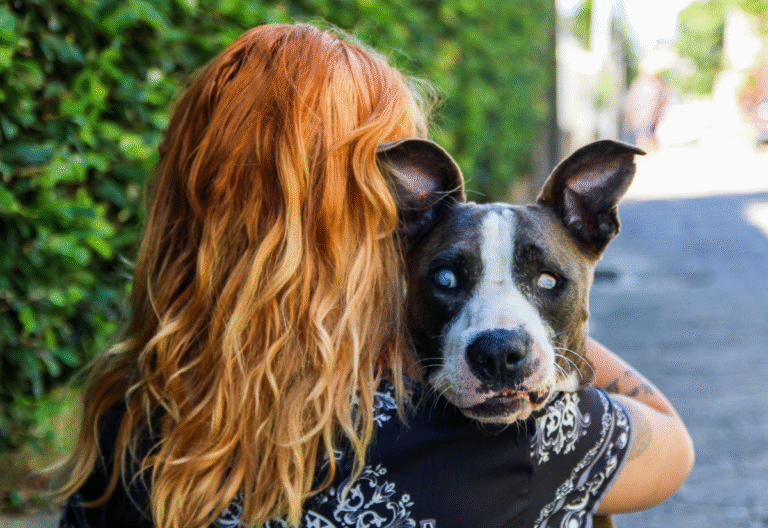
Dogs experiencing declining vision may bump into walls, furniture, or door frames, especially in dim lighting. Additionally, they might hesitate before navigating stairs, climbing onto furniture, or entering unfamiliar spaces. Moreover, you may notice their eyes developing a cloudy or bluish tint due to cataracts or nuclear sclerosis. Consequently, some dogs develop an increased startle response when approached from the side or seem disoriented during nighttime bathroom breaks.
Hearing Loss Indicators
Your dog might stop responding to their name or familiar verbal cues, even though nothing seems physically wrong. Furthermore, deeper, more restful sleep is common—they may not wake to household sounds anymore. In addition, some senior dogs startle easily when touched because they didn’t hear you approaching. Similarly, others may bark, whine, or vocalize louder than usual without realizing their volume.
Next Steps: Schedule a Veterinary Exam
If you notice any of these symptoms, it’s essential to schedule a veterinary exam to confirm the cause and rule out treatable conditions like ear infections or vision-correctable issues. Notably, early detection can make a real difference in your dog’s comfort level.
Helping Dogs with Vision and Hearing Loss
While you can’t always prevent sensory decline, you can absolutely make daily life safer, more comfortable, and less stressful for your senior pup. Small modifications often have a big impact on your dog’s confidence and wellbeing.
1. Keep things consistent
Avoid rearranging furniture or changing your dog’s environment suddenly. Familiar layouts are your aging dog’s internal map—they’ve memorized where obstacles are and how to navigate safely. When you must rearrange, do it gradually and give your dog time to relearn their space. This consistency is especially crucial for understanding vision and hearing loss in senior dogs and helping them maintain independence.
2. Use scent and touch cues
Scent is a dog’s most reliable sense, even in advanced age. Place textured rugs, runners, or different scents (like a dab of vanilla extract) near doorways, stairs, and food bowls to help guide your dog around the home. Different carpet textures can signal different areas—a soft rug near the bedroom, a textured mat near the kitchen. This sensory pathway helps compensate for lost vision and hearing.
3. Communicate differently
For dogs with hearing loss in senior dogs, verbal commands become less effective. Hand signals, vibration cues (like gentle floor taps or stamping), and body language become your primary communication tools. Shine a flashlight to get their attention visually, or use consistent hand gestures for basic commands. Many older dogs respond beautifully to touch-based communication—a gentle tap on the shoulder followed by a hand signal.
4. Enhance safety and comfort
Install baby gates or pet barriers near stairs to prevent falls. Add night lights or soft lighting throughout common areas to support remaining vision. Keep pathways clear of clutter, toys, and obstacles. Consider elevated food and water bowls to reduce strain, and keep these items in the same location. These thoughtful modifications prevent accidents, boost your dog’s confidence, and reduce anxiety about navigating their home.
5. Provide emotional support and reassurance
Blind and deaf dogs may feel anxious, disoriented, or fearful initially, especially in new situations. Stick to predictable routines so they know what to expect. Use positive reinforcement generously—treats, calm praise, and gentle touch go a long way. Your steady, patient presence is perhaps the most comforting tool you have.
Helpful Products for Supporting Senior Dogs with Sensory Loss
Several types of products can make daily life easier for your aging companion:

Mobility and safety aids: Non-slip rugs, stair treads, and ramps help prevent slips and falls. Night lights and motion-sensor lights improve visibility in dark areas. Baby gates and playpens create safe zones.

Comfort items: Orthopedic beds with memory foam support aging joints (common alongside sensory loss). Raised food and water bowls reduce strain on the neck and back.

Communication tools: Vibration-based training collars (set to vibrate only, not shock) can help communicate with deaf dogs. Treat pouches with distinctive sounds can aid dogs with partial hearing.

Navigation aids: Textured mats, scent markers, and tactile guides help dogs orient themselves indoors.
These products work best when combined with environmental modifications and your loving patience—there’s no substitute for a dedicated pet parent who understands their senior dog’s needs.
Can You Prevent Vision and Hearing Loss in Senior Dogs?
Although some sensory decline is an inevitable part of aging, preventive care can slow progression and catch problems early when they’re most treatable. In fact, many vision and hearing issues are manageable with proper veterinary guidance and proactive care strategies.
Schedule Regular Veterinary Exams
First and foremost, schedule annual or semi-annual veterinary exams specifically to monitor eye and ear health. Additionally, routine exams catch early cataracts, glaucoma, or ear infections before they become serious. Moreover, your vet can recommend specific preventive treatments tailored to your dog’s individual needs.
Maintain Proper Ear Care
Next, keep your dog’s ears clean and dry to prevent infections that compound hearing loss. Specifically, gently wipe ears weekly and ensure they dry completely after swimming or baths. Furthermore, ask your veterinarian about ear cleaning solutions designed for senior dogs if your pet is prone to infections.
Optimize Nutrition for Sensory Health
Additionally, feed a balanced diet rich in antioxidants (blueberries, sweet potatoes) and omega-3 fatty acids (fish oil, flaxseed), which support eye and nerve health. Importantly, ask your vet about supplements designed for aging dogs’ cognitive and sensory function. In particular, foods containing lutein and zeaxanthin can help protect aging eyes.
Minimize Noise Exposure and Maintain Healthy Weight
Meanwhile, avoid chronic loud noises that can damage hearing over time. Consequently, keep your senior dog away from fireworks, loud power tools, and consistently loud environments. Equally important is maintaining a healthy weight through appropriate exercise and nutrition, as obesity can worsen age-related conditions and reduce mobility.
Ultimately, caring for a senior dog requires empathy, patience, and genuine attention—but the unconditional love they give in return makes every bit of effort deeply worthwhile.
Final Thoughts: Embracing Your Senior Dog’s Golden Years

Watching your beloved companion age can tug at your heartstrings, especially when sensory loss enters the picture. But here’s what many experienced pet parents discover: senior dogs often become even more bonded to their families, more grateful for simple comforts, and more present in the moment than ever before.
Understanding vision and hearing loss in senior dogs isn’t about accepting decline—it’s about celebrating your dog’s resilience and meeting them exactly where they are. Your senior dog doesn’t grieve the loss of their sight or hearing the way humans might. Instead, they adapt, lean into their remaining senses, and continue to find joy in routine, your presence, and the life you share together.
The strategies, products, and modifications we’ve discussed give you concrete ways to support that adaptation. More importantly, they signal to your dog that they’re valued, protected, and deeply loved—no matter what challenges arise.
Your commitment to understanding your aging dog’s needs and making thoughtful adjustments transforms their golden years from potentially frustrating into genuinely fulfilling. And that, ultimately, is the greatest gift any pet parent can give.
If you notice signs of sensory loss in your senior dog, reach out to your veterinarian today. Early support makes all the difference—for your dog’s wellbeing and for your peace of mind.
🐾 Want more senior dog care tips?
Join our Gray Muzzle Care email list for expert advice on helping your senior dog live their best life.