How to Tell If Your Senior Dog Needs a Wheelchair
As dogs grow older, their mobility naturally declines. But for some, simple stiffness can progress into serious difficulty walking, standing, or maintaining balance. If you’ve been wondering how to tell if your senior dog needs a wheelchair, this guide will help you recognize the signs, understand your options, and make the best decision for your aging companion’s comfort and quality of life.

Recognizing Early Signs of Mobility Decline
Subtle changes often signal that your dog’s joints, muscles, or nerves are weakening. Catching these early warning signs can help you take action before your dog’s quality of life significantly declines. Keep an eye out for these changes:
- Slower movement when getting up or lying down, especially after rest
- Hesitation to climb stairs, jump onto furniture, or get into vehicles
- Occasional stumbling, dragging of rear paws, or loss of coordination
- Loss of interest in walks, play, or activities they once enjoyed
- Noticeable muscle loss or weakness in the hind legs and rear end
- Accidents in the house or difficulty maintaining bladder control during walks
- Reluctance to go outside or visible pain when moving
If you observe any of these behaviors, it may be time to assess your dog’s overall mobility and comfort with your veterinarian. Early intervention can often slow progression and improve outcomes.
Common Health Conditions That Affect Mobility in Senior Dogs
Several age-related conditions can lead to weakness or instability in your senior dog. Understanding these helps determine whether a senior dog needs a wheelchair. The most common include:
Arthritis – The most prevalent condition in aging dogs, arthritis causes inflammation and stiffness in the joints, making movement painful and restrictive.
Hip dysplasia – A genetic condition where the hip joint doesn’t fit properly, causing instability and pain that typically worsens with age and activity.
Degenerative myelopathy (DM) – A progressive spinal cord disease that gradually affects coordination, strength, and rear leg function, eventually leading to paralysis if untreated.
Intervertebral disc disease (IVDD) – Herniated discs in the spine can compress nerves, causing pain, weakness, or complete loss of rear leg function.
Neurological issues – Nerve damage, spinal injuries, or conditions like vestibular disease can lead to loss of balance, coordination, and mobility.
Post-surgical recovery – Dogs healing from orthopedic surgery, spinal procedures, or other major surgeries may temporarily need extra support and mobility assistance.
Understanding which condition is affecting your dog helps your veterinarian determine whether a wheelchair is the right next step and what type would work best.
When to Consider a Dog Wheelchair
A dog wheelchair can restore independence and joy for senior dogs struggling to move on their own. Seeing your dog regain the ability to explore, socialize, and move freely makes a profound difference in their emotional and physical well-being. You might consider one if your dog:
- Can no longer walk without assistance or relies heavily on your support
- Falls frequently, drags their paws, or shows signs of dragging the rear legs
- Tires easily during short walks or can barely walk a few steps
- Still has energy, enthusiasm, and desire to move but struggles physically to do so
- Shows signs of depression or anxiety from being unable to participate in family activities
- Has lost function in one or both rear legs due to injury, surgery, or neurological disease
Your veterinarian can evaluate your dog’s strength, coordination, muscle tone, and comfort level to recommend the best type of wheelchair and determine whether it should be used full-time, part-time, or only for specific activities like walks or outdoor exploration.
Choosing the Right Wheelchair for Your Senior Dog
Selecting the correct wheelchair depends on your dog’s size, health condition, and specific mobility needs. Different dogs require different levels of support. Look for quality features like:
Adjustable frames – Ensures a proper fit as your dog’s size or posture changes, preventing rubbing or discomfort.
Lightweight materials – Aluminum construction makes the wheelchair easier to maneuver and less taxing on your dog’s remaining mobility.
Support options – Rear-wheel support for dogs with hind leg weakness, full-body support for dogs with multiple limb issues, or front-wheel support for front leg difficulties.
Padded harnesses – Soft, well-padded equipment provides comfort during extended wear and prevents skin irritation or pressure sores.
Terrain compatibility – Consider whether you need all-terrain wheels for outdoor use or smooth wheels for indoor navigation.
Easy adjustments – Quick-release straps and tool-free adjustments make it easier to put on and take off without frustrating your dog.
Popular options include rear-wheel support carts for dogs with hind leg weakness, full-body harness systems for comprehensive support, and adjustable frame designs that grow with your dog’s changing needs. Your vet can recommend specific product types based on your dog’s condition.
Helping Your Dog Adjust to a Wheelchair
Introducing a wheelchair takes patience and encouragement, but most dogs adapt surprisingly well. Here’s how to make the transition smoother:
Start with short, positive sessions in a familiar, safe space like your home or yard. Let your dog explore the wheelchair without wearing it at first. Reward your dog with high-value treats, praise, and affection during each step of the process. Gradually increase wearing time, starting with just a few minutes and building up to longer periods. Most dogs adapt quickly once they realize the chair helps them regain mobility and independence.
Stay attentive to any signs of rubbing, pressure sores, or discomfort, and consult your vet if adjustments are needed. Some dogs may need time to balance differently or get used to the sensation of the device. Consider using training pads or practicing on soft surfaces initially. Celebrate small victories and maintain a positive, encouraging attitude—your dog will pick up on your confidence and enthusiasm.
Improving Quality of Life Beyond Mobility
While mobility support is crucial when your senior dog needs a wheelchair, remember to also focus on your dog’s overall well-being and comfort. Provide:

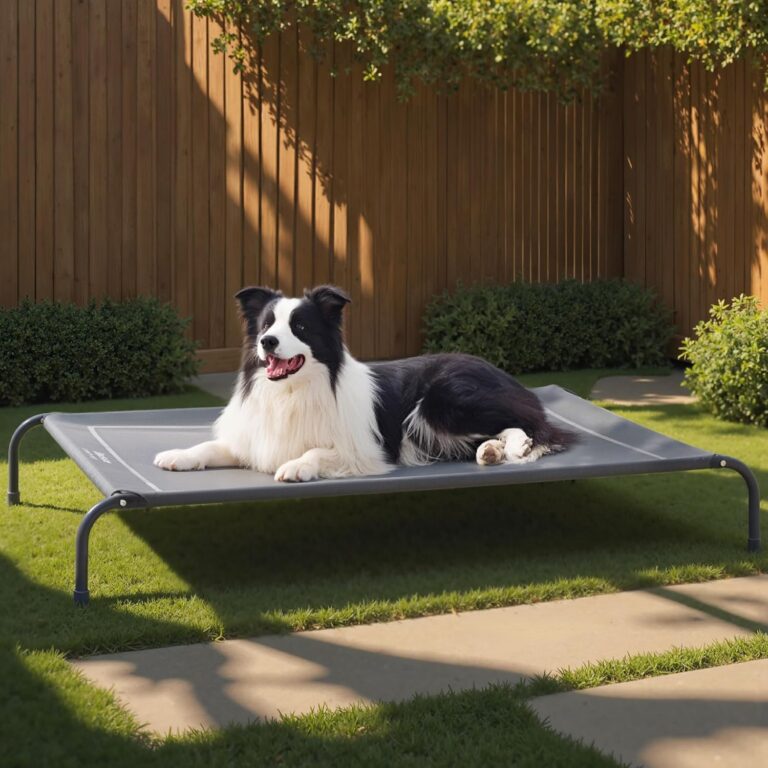
Orthopedic bedding – Invest in memory foam or supportive dog beds that cushion joints and reduce pressure points, especially important for senior dogs with arthritis or mobility issues.
Regular, low-impact exercise – Swimming, wading in shallow water, short walks with the wheelchair, or gentle play helps maintain muscle tone without stressing aging joints.

Joint-supporting nutrition – A balanced diet rich in omega-3 fatty acids, glucosamine, and chondroitin supports joint health. Consult your vet about supplements designed for senior dog mobility.
Pain management – Work with your veterinarian on pain relief options, whether through medication, supplements, or therapies like acupuncture or physical therapy.

Accessibility modifications – Use ramps, stairs, or raised food bowls to reduce strain on your dog’s joints and make daily life easier.

Mental enrichment – Puzzle toys, gentle training, or simply spending quiet time together keeps your senior dog mentally stimulated and emotionally connected.
Your love, patience, and care play just as important a role in your dog’s happiness and quality of life as any medical device or medication.
Final Thoughts

Knowing how to tell if your senior dog needs a wheelchair can make a life-changing difference in their golden years. By watching for early signs of mobility loss, working closely with your veterinarian, and choosing the right mobility support, you can give your loyal friend the freedom, dignity, and independence they deserve. A wheelchair isn’t about replacing your dog’s ability to walk—it’s about restoring their joy, maintaining their quality of life, and giving them more precious moments with the people they love. Your senior dog has given you years of unconditional love; a wheelchair is one beautiful way to return that gift during their final chapter.
🐾 Join Our Community
Want more expert tips on senior dog care? Join our email list to get free guides, product reviews, and heartwarming senior dog stories delivered to your inbox.