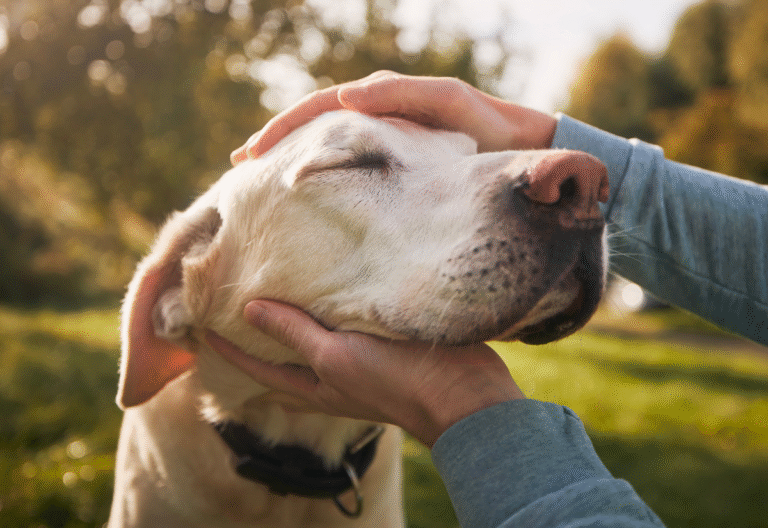
Signs Your Senior Dog Needs a Diet Change
As our loyal companions grow older, their nutritional needs change dramatically. Recognizing signs your senior dog needs a diet change can make a world of difference in their comfort, health, and longevity. Aging affects metabolism, digestion, and even appetite—so what worked for your pup years ago may no longer be the best choice today. The good news? With some attention and the right adjustments, you can help your aging companion thrive during their golden years.
Let’s explore the most common signs that it might be time to reevaluate your senior dog’s diet and how to make the switch safely.

1. Weight Gain or Loss Without Explanation
If your older dog is suddenly gaining or losing weight, even though their feeding routine hasn’t changed, it could be a red flag. Weight fluctuations in senior dogs often indicate that their current food no longer meets their energy or nutritional needs.
Reduced activity can cause weight gain, while underlying issues like dental pain, thyroid imbalance, or poor digestion may cause unwanted weight loss. Senior dogs’ metabolic rates slow by 20-30%, meaning they need fewer calories but more nutrient density. Consulting your vet is the best first step before adjusting their diet.
2. Changes in Coat or Skin Health
A dull coat, flaky skin, or increased shedding are often signs of nutrient deficiencies—especially in omega fatty acids, vitamins, and proteins. Senior dog foods are specially formulated to include higher levels of these nutrients, helping to restore shine and skin elasticity.
If you notice your dog’s fur has lost its luster or their skin appears irritated, signs your senior dog needs a diet change become clearer. Look for foods with added fish oil, vitamin E, and biotin to support skin barrier function and reduce inflammation.
3. Digestive Issues: Gas, Constipation, or Loose Stools
As dogs age, their digestive system becomes more sensitive. If you’re noticing frequent gas, bloating, or irregular bowel movements, their current food may be too rich or hard to digest.
High-fiber senior dog diets with easily digestible protein sources (like chicken, turkey, or fish) can support smoother digestion and better nutrient absorption. Probiotic supplements designed for senior dogs can also help restore gut health and improve overall wellness.
4. Decreased Energy or Mobility
A sluggish dog might not just be tired—it could be a nutrition issue. If your senior dog seems less interested in walks or playtime, they may need more joint-supporting nutrients like glucosamine and chondroitin, or a better balance of calories and proteins to maintain muscle mass.
Senior dogs lose about 1% of muscle mass annually after age seven, so adequate protein is crucial. Feeding the right food for their life stage can restore some of their youthful energy and improve overall quality of life. Look for senior formulas with added joint support ingredients and antioxidants for cognitive health.
5. Bad Breath or Dental Trouble
Dental disease affects up to 80% of senior dogs. If you notice foul breath, difficulty chewing, or drooling, it might be time to try softer food or a diet designed to promote oral health.
Switching to a senior-friendly diet with dental support can help make mealtime more enjoyable and less painful. Wet or moistened kibble is easier to chew, and some senior diets include ingredients that support dental health while still providing essential nutrition.
6. Loss of Interest in Food
If your dog turns up their nose at mealtime, the issue might not just be picky eating. Aging can dull the senses of taste and smell, making food less appealing. Senior formulas often include enhanced aroma and flavor to encourage appetite, along with easily chewable textures.
This is a common sign your senior dog needs a diet change—don’t ignore decreased appetite. If loss of interest persists beyond a week or two, contact your vet to rule out underlying health issues.
Recommended Products for Senior Dogs
When signs your senior dog needs a diet change become apparent, consider these types of products to support their health:

- Senior-specific dog food: Formulated with adjusted protein, fat, and calorie levels for aging dogs
- Joint support supplements: Glucosamine, chondroitin, and MSM to support mobility and comfort
- Probiotic supplements: Aid digestion and gut health in aging dogs
- Fish oil or omega-3 supplements: Support coat, skin, and cognitive function
- Dental health products: Dental-friendly treats and water additives to support oral hygiene
- Elevated food bowls: Reduce strain on joints and neck during feeding
- Slow feeder bowls: Help senior dogs with sensitive stomachs eat more mindfully
How to Safely Transition Your Senior Dog’s Diet
When you’ve identified the need for a change, transition gradually over 7–10 days to avoid digestive upset. Start by mixing a small portion of the new food with the old (about 25% new, 75% old), increasing the ratio each day until the transition is complete.
Monitor your dog during this period for any signs of stomach upset, vomiting, or diarrhea. If issues arise, slow down the transition to 14 days. Always consult your veterinarian before making major dietary changes—especially if your dog has health conditions like kidney disease, diabetes, or arthritis. Your vet may recommend prescription senior diets tailored to your dog’s specific needs.
Final Thoughts

Your dog’s golden years can be full of joy, energy, and comfort—with the right nutrition to support them. Recognizing when it’s time for a diet change is one of the most loving things you can do for your furry companion. Senior dogs deserve food that meets their unique nutritional needs, and the effort you invest now will pay dividends in their health, happiness, and quality of life.
Pay attention to the signals your aging dog is sending. Whether it’s changes in weight, coat quality, digestion, mobility, or appetite, these are all your dog’s way of telling you they need something different. By responding thoughtfully and working with your veterinarian, you can help ensure your senior dog enjoys their best years yet.
💌 Want more expert tips for caring for your aging dog?
👉 Join our email list for senior dog care advice, heartwarming stories, and trusted product recommendations!