How Often Should You Take Your Senior Dog to the Vet?
As dogs age, their health needs evolve significantly, and you may find yourself asking: how often should you take your senior dog to the vet? The answer isn’t one-size-fits-all—it depends on your dog’s overall health, breed, age, and any pre-existing conditions. However, one thing remains constant: regular veterinary care becomes absolutely critical during these golden years. Frequent wellness visits help catch early signs of age-related diseases, manage chronic conditions, and ensure your senior dog enjoys the highest quality of life possible through their twilight years.
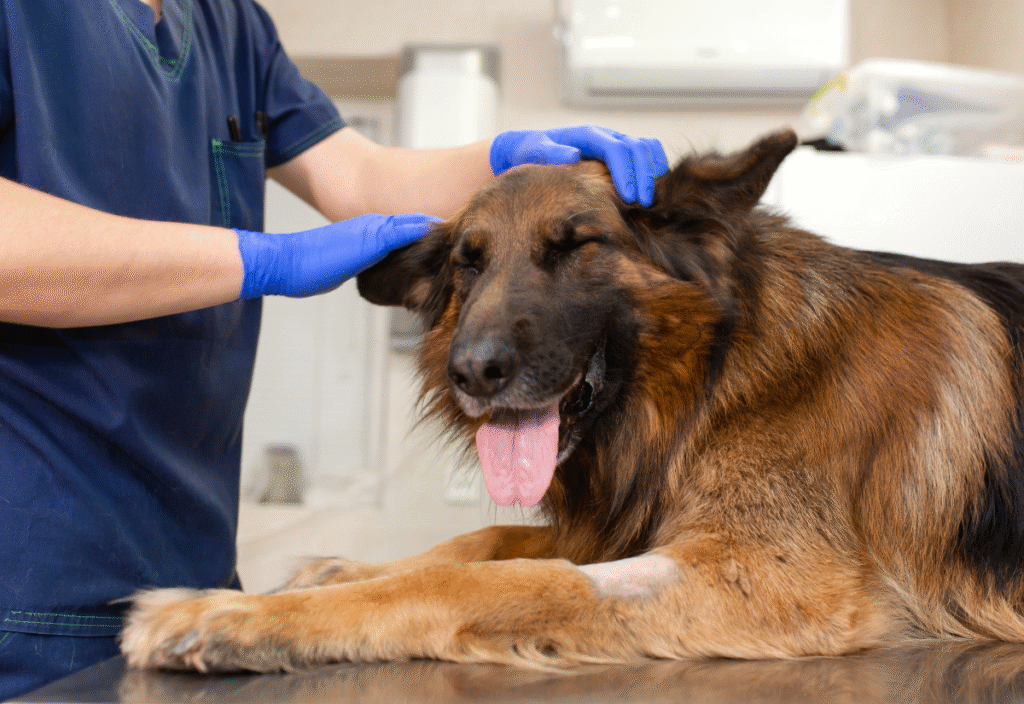
Why Senior Dogs Need More Frequent Vet Visits
Just like humans, older dogs experience profound physical changes that require closer professional monitoring. Your dog’s body is working harder to maintain itself, and subtle health issues can escalate quickly without proper oversight.
Routine vet visits for aging dogs allow your veterinarian to check for conditions commonly affecting seniors: arthritis, dental disease, vision or hearing loss, kidney function changes, heart conditions, diabetes, and cognitive decline. What makes these visits so valuable is that many age-related diseases develop silently. Your dog might seem perfectly fine at home, but bloodwork could reveal early-stage kidney disease or thyroid imbalances that, when caught early, can be managed effectively.
Most veterinarians recommend bringing senior dogs in for wellness exams every six months—double the frequency of younger adult dogs. This twice-yearly schedule allows your vet to compare lab results and physical findings over time, creating a clear picture of your dog’s health trajectory. Catching problems early when treatment is most effective can add years to your pet’s life and significantly improve their comfort.
What Happens During a Senior Dog Wellness Exam
Understanding what your vet examines helps you appreciate why these visits matter so much:
Physical Assessment: Your vet will perform a thorough head-to-toe examination, checking your dog’s eyes, ears, teeth, heart, lungs, and abdomen. They’ll assess your dog’s weight and body condition, as both obesity and unhealthy weight loss can mask or accelerate health problems.
Bloodwork and Urinalysis: These diagnostic tests are the real MVPs of senior wellness exams. Blood panels check organ function (liver, kidneys, pancreas) and screen for conditions like diabetes and thyroid disease. Urinalysis reveals kidney and urinary tract issues that bloodwork alone might miss.
Dental Evaluation: Dental disease isn’t just about bad breath—it can lead to serious infections affecting the heart and kidneys. Your vet will check for tartar buildup, gum disease, and loose or missing teeth.
Joint and Mobility Assessment: Your vet will evaluate your dog’s range of motion, check for pain or stiffness, and discuss arthritis management if needed.
Nutritional and Lifestyle Guidance: Your vet may recommend dietary adjustments, supplements, or lifestyle modifications tailored to your aging dog’s specific needs.
These assessments create a comprehensive “baseline” of your dog’s health, helping your vet spot subtle changes between visits before they become serious problems.
Signs Your Senior Dog Might Need an Extra Vet Visit
Even between regular checkups, certain warning signs mean your older dog needs medical attention sooner:
- Changes in appetite or thirst (either eating significantly less or drinking excessively)
- Lethargy or unusual tiredness (sleeping more than normal or seeming unresponsive)
- Limping, stiffness, or difficulty getting up, especially after rest
- Unexplained weight loss or gain
- Coughing, wheezing, or trouble breathing
- Accidents in the house or difficulty controlling bladder/bowels
- Behavioral changes such as confusion, disorientation, excessive panting, or restlessness
- Vomiting or diarrhea lasting more than a day
- Lumps, bumps, or skin changes
If you notice any of these symptoms, schedule a vet appointment right away. Early intervention can make an enormous difference in your senior dog’s comfort, quality of life, and longevity.
Supporting Your Senior Dog’s Health Between Vet Visits
How often should you take your senior dog to the vet is important, but what you do at home matters equally. Between appointments, focus on comprehensive preventive care:
Nutrition: Feed a diet specifically formulated for senior dogs, which typically contains adjusted protein levels, enhanced joint support, and easily digestible ingredients. Consider adding joint supplements containing glucosamine and chondroitin to support mobility.
Weight Management: Excess weight strains aging joints and organs. Work with your vet to maintain an ideal weight through portion control and appropriate exercise.
Exercise and Movement: Regular, gentle exercise keeps muscles strong and joints flexible. Short walks, swimming, or low-impact play are ideal for seniors.
Dental Care: Brush your dog’s teeth several times weekly, use dental chews, or consider professional cleanings as recommended by your vet. Oral health directly impacts overall health.
Grooming and Skin Care: Regular grooming helps you spot lumps, skin issues, or parasites early. It’s also comforting for dogs with arthritis or mobility issues.
Cognitive Enrichment: Mental stimulation through puzzle toys, gentle training, and interactive play helps keep aging brains sharp and may slow cognitive decline.
Environmental Comfort: Provide orthopedic dog beds for joint support, use ramps or steps to minimize jumping, and maintain a consistent routine to reduce anxiety.
Monitoring at Home: Keep a simple log of your dog’s eating, drinking, bathroom habits, and behavior. These details help your vet identify subtle changes you might otherwise miss.
Products That Support Senior Dog Wellness
Consider having these supportive items on hand:
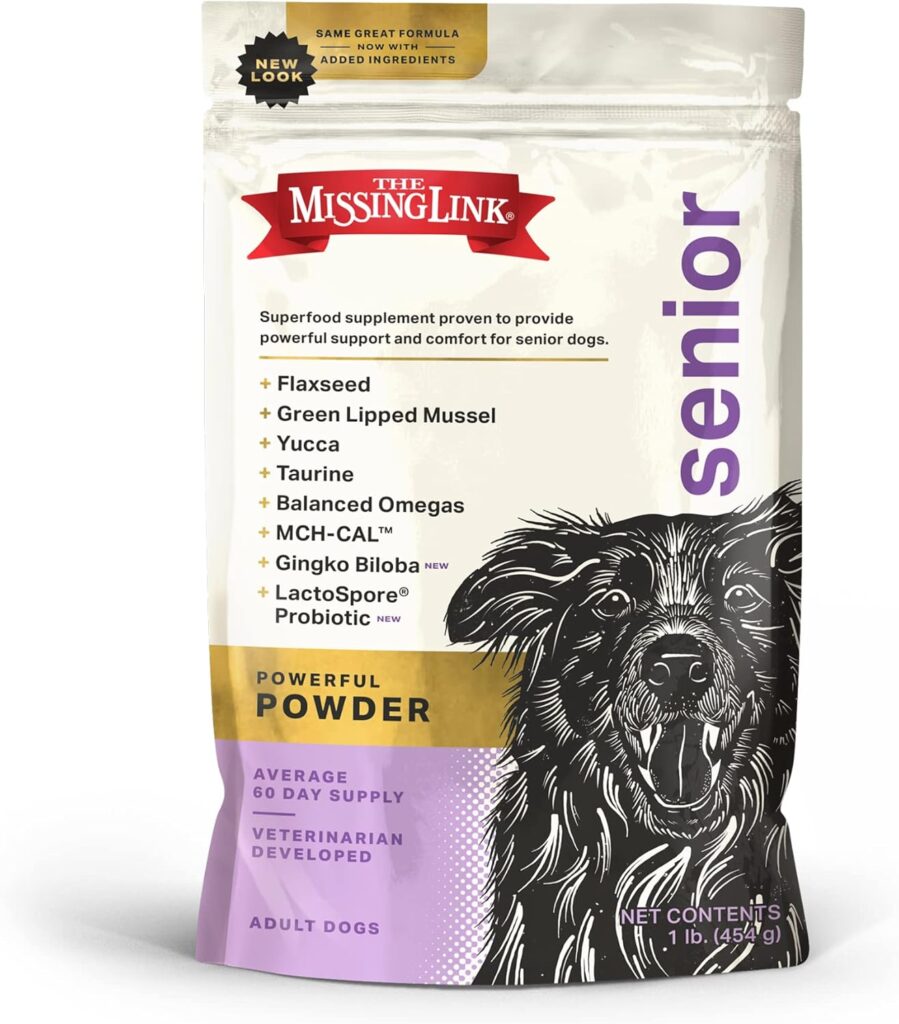
- Orthopedic dog beds with memory foam or gel layers for joint pain relief
- Joint supplement powders or treats containing glucosamine, chondroitin, and omega-3s
- Dog ramps or steps to reduce strain on joints
- Senior-formula dog food with appropriate nutrition for aging dogs
- Dental care products including enzymatic toothpaste and dental chews
- Elevated food and water bowls to reduce strain on the neck and joints
- Non-slip rugs to provide traction on slippery floors
- Puzzle feeders and toys to maintain mental stimulation
Final Thoughts
Your senior dog has given you years—perhaps decades—of unconditional love, loyal companionship, and cherished memories. Knowing how often should you take your senior dog to the vet and staying committed to their care is one of the most meaningful ways to give that love back during their final chapter.
Regular veterinary checkups every six months, combined with attentive home care, create the foundation for a comfortable, happy senior years. These visits aren’t just about treating illness; they’re about celebrating your dog’s life while they’re still here and ensuring they experience their golden years with dignity, comfort, and joy. Your veterinarian is your partner in this journey, working alongside you to keep your aging companion thriving for as long as possible. The investment in their health today is an investment in more precious moments together tomorrow.
🐾 Stay Connected for More Senior Dog Wellness Tips
Want more advice on keeping your senior dog healthy, comfortable, and happy?
Join our email list for weekly tips, vet insights, and senior dog care guides!