Signs Your Senior Dog Is in Pain (And What You Can Do)
As our beloved dogs age, their bodies and behaviors naturally change. But sometimes, those subtle shifts can be signs your senior dog is in pain. Older dogs often hide discomfort well, making it crucial for pet parents to recognize the signs early and take action. Understanding what to look for—and how to help—can greatly improve your dog’s quality of life in their golden years.
Most senior dogs experience some level of discomfort as they age, yet many owners miss the early warning signs. By learning to identify pain indicators, you’ll be better equipped to provide timely relief and maintain your senior companion’s wellbeing during their final chapters.
Changes in Mobility and Movement
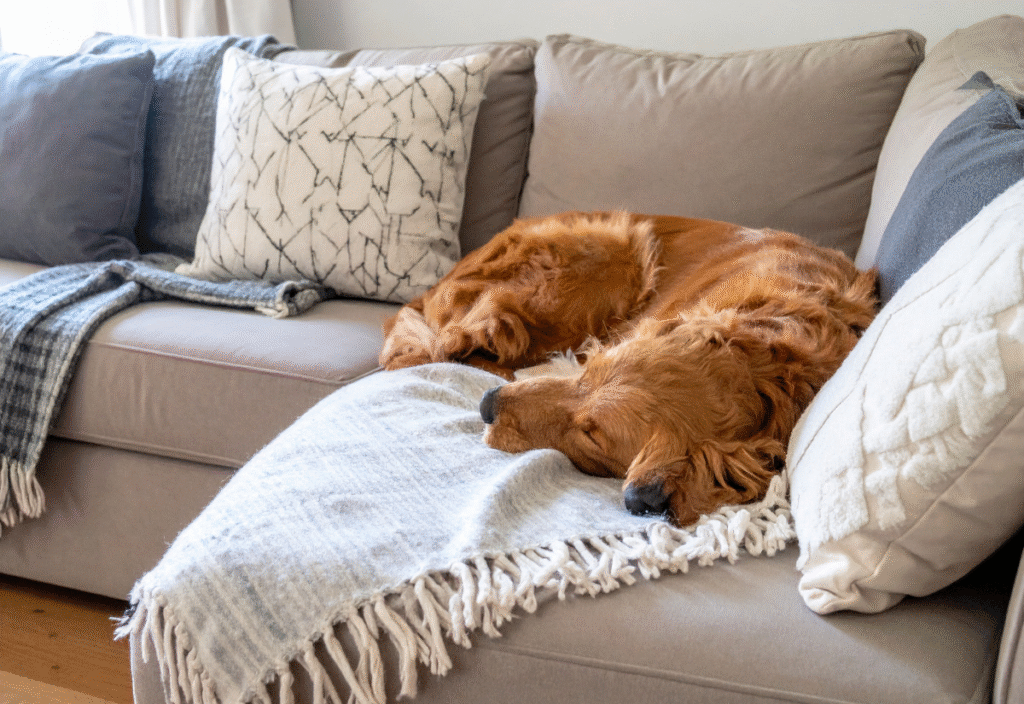
One of the most common signs your senior dog is in pain is difficulty moving. You may notice your dog hesitating to jump on the couch, struggling to climb stairs, or slowing down on walks. Stiffness after resting, limping, or favoring one side of the body are all clues that arthritis or joint discomfort may be at play.
Age-related joint degeneration is extremely common in senior dogs, affecting their ability to play, exercise, and enjoy daily activities. Pay close attention to how your dog moves throughout the day—stiffness that improves with activity often indicates joint issues, while constant reluctance to move suggests more significant pain.
What You Can Do:
- Schedule a vet exam to rule out arthritis or injuries
- Ask your vet about pain management options, such as joint supplements, anti-inflammatory medications, or prescription pain relievers
- Invest in orthopedic bedding designed for senior dogs to reduce pressure on joints
- Install non-slip rugs on hardwood or tile floors to prevent slipping
- Use ramps or pet stairs to help your dog access favorite spots without strain
- Consider physical therapy or hydrotherapy for low-impact exercise
Recommended Products:

- Orthopedic memory foam dog beds
- Pet ramps or portable stairs
- Non-slip area rugs designed for pets
- Joint supplement formulas with glucosamine and chondroitin
Changes in Behavior and Mood
Pain can change a dog’s personality. A normally friendly senior might become withdrawn, irritable, or even snappy when touched. Restlessness, excessive panting, or pacing can also signal discomfort. Some dogs may also show signs of anxiety or confusion when experiencing chronic pain.
Your senior dog’s emotional state is just as important as their physical health. Pain often manifests as behavioral changes before other obvious symptoms appear, so paying attention to your dog’s mood and temperament can provide valuable early warning signs.
What You Can Do:
- Track behavior changes in a journal to share with your vet, noting when changes occur and what seems to trigger them
- Avoid punishing your dog for acting out—pain, not disobedience, may be the cause
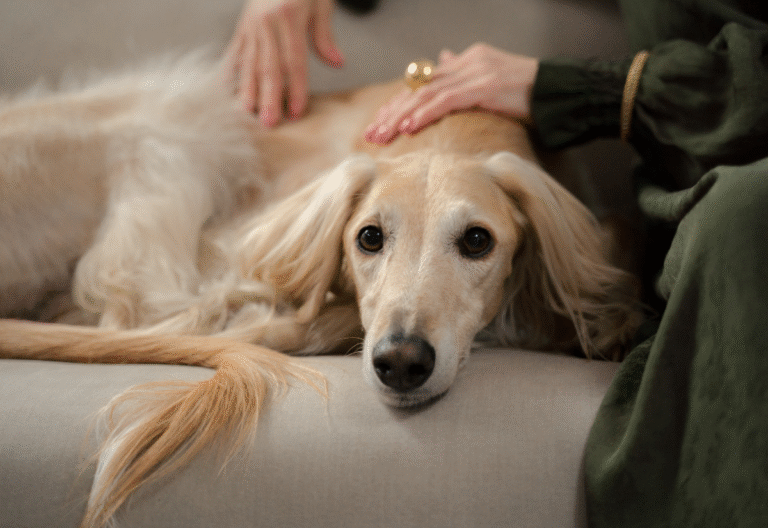
- Provide gentle affection and a calm, quiet environment where your dog can rest
- Minimize stress from loud noises, children, or other pets
- Spend quality time with your senior dog to monitor emotional changes
Appetite and Sleep Patterns
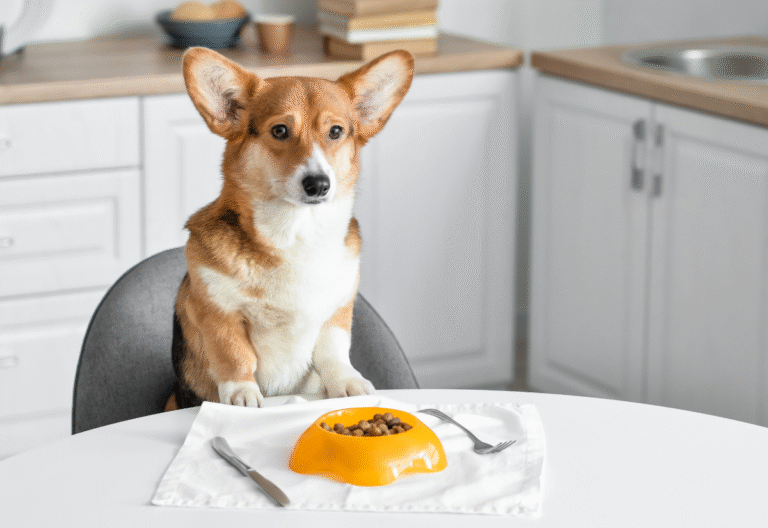
A senior dog in pain may eat less, have trouble chewing, or lose interest in favorite foods. Likewise, sleep patterns may shift—your dog might sleep more to escape discomfort or wake frequently during the night. Changes in appetite can also indicate dental disease, which is common in older dogs and may require veterinary attention.
Nutritional needs change as dogs age, and pain can significantly impact their ability to eat and digest food properly. Monitoring these patterns helps your vet understand the severity of your dog’s discomfort and recommend appropriate interventions.
What You Can Do:
- Offer softer foods, wet food, or food toppers if chewing is difficult
- Warm food slightly to enhance aroma and encourage eating
- Monitor weight changes and hydration closely, as both can indicate underlying issues
- Provide comfortable, elevated food and water bowls to reduce strain on the neck and spine
- Discuss appetite changes with your veterinarian to rule out dental issues or illness
- Create a restful sleeping area away from household activity
Recommended Products:

- Elevated food and water bowls for senior dogs
- Soft, easily digestible dog food formulas
- Water fountains to encourage hydration
- Comfortable senior dog beds with support
Vocalization and Body Language
Whining, groaning, yelping, or unusual barking can all be signs your senior dog is in pain. Some dogs, however, may go quiet instead. Look for subtle cues like flattened ears, a tucked tail, or reluctance to be handled. Every dog communicates pain differently—some are vocal, while others withdraw and suffer silently.
Body language often tells the true story of your dog’s discomfort. Learning to read these signals helps you respond appropriately and communicate effectively with your veterinarian about your dog’s pain levels.
What You Can Do:
- Observe and document changes in posture, expression, or vocalizations
- Ask your vet about pain relief options tailored to your dog’s age and health status
- Try gentle massage or warm compresses for mild discomfort (always get vet approval first)
- Handle your senior dog gently, supporting their body properly to avoid additional strain
- Respect your dog’s boundaries—if they resist being touched in certain areas, that’s a pain signal
Recommended Products:

- Heating pads designed for pets (with automatic shutoff for safety)
- Massage tools for gentle muscle relief
- Soft, supportive harnesses that distribute weight evenly
Digestive or Bathroom Changes
Pain can affect more than mobility—it can disrupt digestion, too. A dog in pain might have accidents indoors, strain to eliminate, or show constipation or diarrhea. These changes can stem from pain affecting their ability to position themselves comfortably or from medication side effects if your dog is already on pain management.
Bathroom habits are often overlooked, but they’re an important health indicator that shouldn’t be dismissed or attributed solely to aging.
What You Can Do:
- Keep your dog’s bathroom area easily accessible, avoiding stairs or long distances
- Maintain a consistent feeding and potty schedule
- Provide multiple potty breaks throughout the day
- Use enzyme-based cleaners for accidents to remove odor completely
- Contact your vet if symptoms persist beyond a day or two
- Ask your vet about dietary adjustments or supplements to support digestive health
Recommended Products:

- Enzymatic pet urine cleaner
- Washable, absorbent pee pads for indoor use
- Dietary fiber supplements for digestive support
Complementary Pain Management Options
Beyond veterinary care, several approaches can support your senior dog’s comfort:
Physical Therapy: Gentle exercises and stretching can maintain mobility and reduce stiffness. Many vets recommend low-impact activities like short, slow walks or swimming (if available).
Nutrition: High-quality senior dog food formulas, omega-3 supplements, and joint-supporting nutrients can play a role in pain management and overall health.
Environmental Modifications: Non-slip flooring, ramps, elevated food bowls, and comfortable bedding all reduce physical strain on aging joints.
Mental Stimulation: Keeping your senior’s mind engaged through gentle play, puzzle toys, and training exercises can improve mood and reduce pain perception.
When to See a Veterinarian Immediately
If your senior dog suddenly refuses to eat, cannot stand, cries out when touched, or shows signs of extreme distress, seek veterinary help right away. Pain can escalate quickly in older pets, and prompt treatment can make all the difference. Additionally, contact your vet immediately if you notice sudden paralysis, inability to urinate or defecate, or difficulty breathing.
Regular veterinary checkups—ideally every six months for senior dogs—allow your vet to catch pain-related issues early and adjust treatment plans as needed.
Final Thoughts
Recognizing the signs your senior dog is in pain allows you to act with compassion and confidence. Your role as a pet parent evolves as your dog ages, shifting from playmate to caregiver. Whether through medication, lifestyle adjustments, physical therapy, or environmental modifications, there are many ways to keep your senior comfortable and happy.
Every senior dog deserves a pain-free, dignified life in their golden years. By staying attentive to changes in behavior, mobility, appetite, and bathroom habits, you can catch pain early and provide the care your beloved companion needs. Remember, your veterinarian is your partner in this journey—don’t hesitate to reach out with concerns, no matter how small they may seem. Your attention, care, and love can truly make your senior dog’s final chapter shine bright.
💌 Want more tips on senior dog care? Join our email list and get expert advice delivered straight to your inbox.