Hydration Tips for Older Dogs Who Don’t Drink Enough Water
As dogs age, their thirst drive can decline—making dehydration a common but often overlooked issue. If you’ve noticed your senior dog drinking less than usual, it’s important to take steps to keep them hydrated. These hydration tips for older dogs who don’t drink enough water will help you understand why this happens, what signs to watch for, and what practical strategies you can implement to encourage healthy water intake every day.
Proper hydration becomes increasingly important for senior canines, as their bodies become more vulnerable to the effects of dehydration. By understanding the root causes and taking preventative action, you can help your aging companion stay healthy, comfortable, and energized through their golden years.
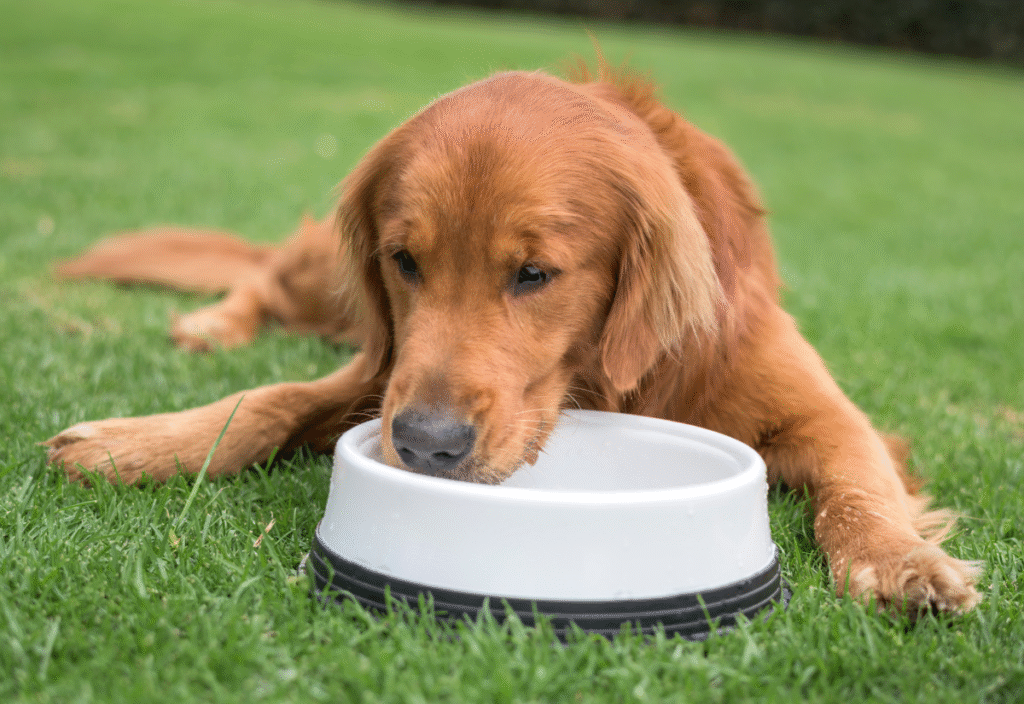
Why Senior Dogs May Drink Less Water
Older dogs often experience significant changes in metabolism, kidney function, and appetite. These shifts can cause them to lose interest in drinking or to feel less thirsty overall. Some common reasons include:
Reduced activity levels and slower metabolism naturally decrease thirst signals, as less active dogs don’t lose as much fluid through panting and movement. Dental pain or mouth discomfort can make drinking painful or difficult, causing your senior dog to avoid water altogether. Certain medications prescribed for common age-related conditions may alter thirst as a side effect. Underlying health issues such as kidney disease, diabetes, or thyroid problems can significantly impact drinking behavior and hydration regulation.
If your dog’s reduced water intake is sudden or accompanied by lethargy, vomiting, or weight loss, it’s time for a vet check. These signs may indicate a more serious health concern requiring professional evaluation.
Signs Your Senior Dog May Be Dehydrated
It’s not always easy to tell when your dog is dehydrated, but recognizing these early warning signs can help you intervene quickly. Watch for a dry nose, mouth, or gums, which are among the first indicators of fluid loss. Sunken eyes and reduced skin elasticity are also telling signs—gently pinch the skin on their neck, and if it doesn’t spring back quickly, they may be dehydrated. Additional symptoms include panting or excessive drooling, weakness or fatigue, or a reluctance to move or play.
Always monitor your dog’s water bowl daily and note how much they actually drink. Keep a simple log to establish a baseline of normal intake, making changes easier to spot.
Practical Hydration Tips for Older Dogs Who Don’t Drink Enough Water
Offer Fresh, Clean Water at All Times
Keep water bowls full and refresh them at least twice daily. Older dogs are more sensitive to taste and smell, so fresh water can make a noticeable difference in their willingness to drink. Stale water may deter even thirsty seniors.
Use Multiple Water Stations
Place water bowls in every room where your dog spends time. Senior dogs with limited mobility may drink significantly more if they don’t have to walk far for a drink. This is especially helpful for dogs with arthritis or mobility issues.
Try a Pet Water Fountain
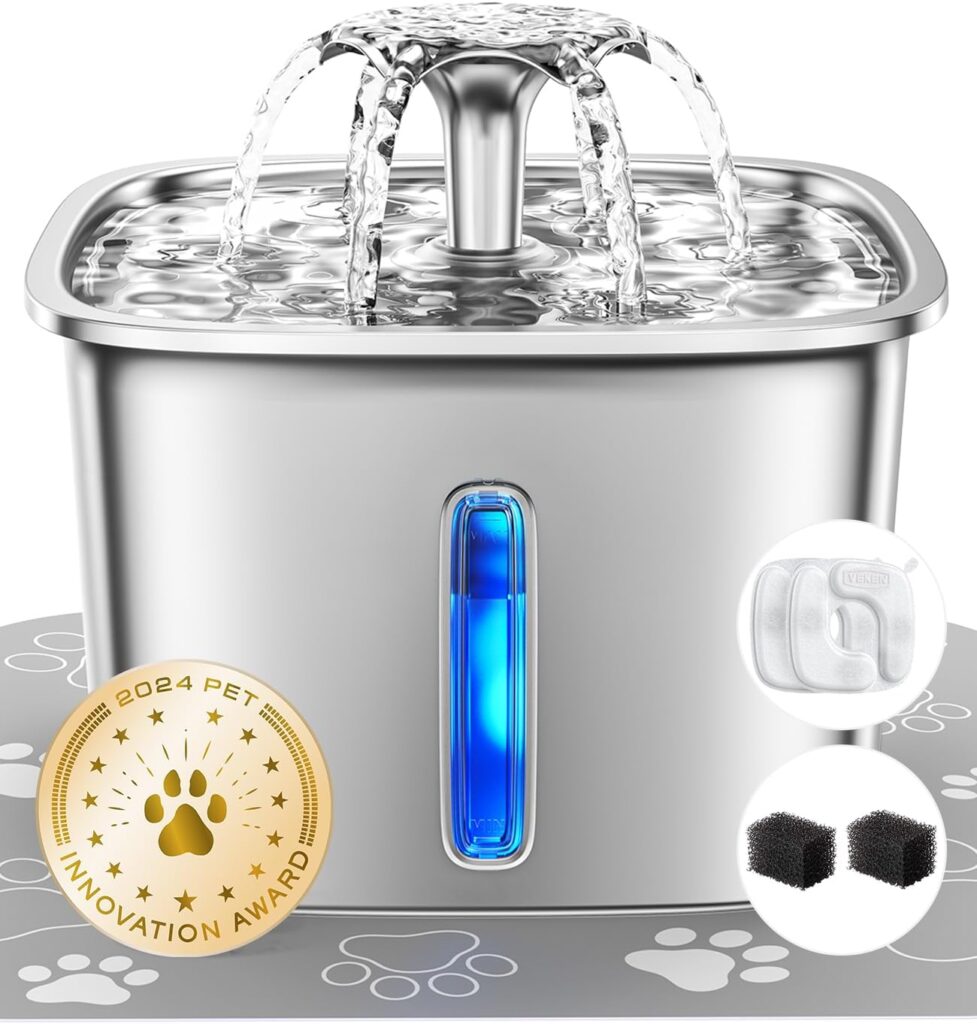
Flowing water is more appealing to many dogs, both young and old. Pet water fountains encourage drinking by keeping water cool, filtered, and oxygenated. The movement and sound can stimulate your dog’s natural drinking instincts. Look for fountains with adjustable flow rates and easy-to-clean filters for convenient maintenance.
Add Water to Food
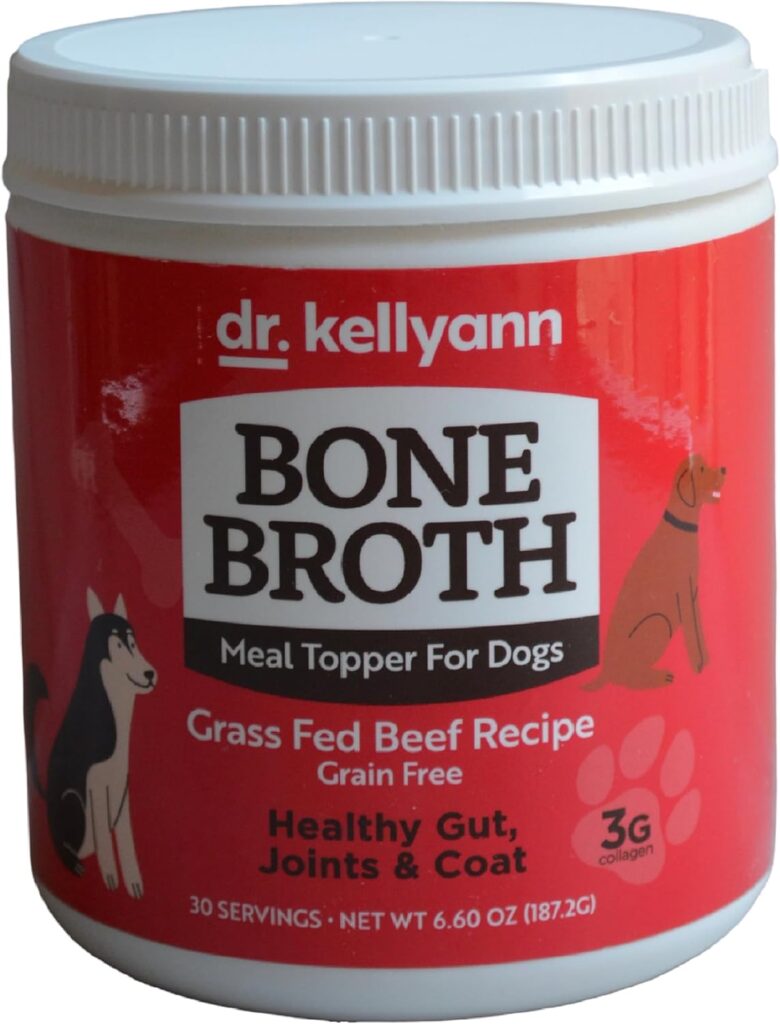
Mixing water or low-sodium bone broth into dry kibble boosts hydration while making meals more appealing and easier to digest. You can also try switching to wet or canned food for extra moisture content. This approach works particularly well for dogs with dental issues or reduced appetite.
Offer Flavored Water or Broth
Adding a splash of unsalted chicken broth or low-sodium beef broth can entice picky drinkers. You can also freeze low-sodium broth into ice cubes for a hydrating treat. Keep broths low in sodium to avoid adding unnecessary salt to your senior’s diet.
Serve Water at the Right Temperature
Some older dogs prefer cool water, while others like room temperature options. Experiment to find what your dog enjoys most. Some seniors may also enjoy slightly warm broth, which can be more palatable during colder months.
Monitor and Track Water Intake
Keep a simple daily log of how much your senior dog drinks. Note any patterns, such as increased or decreased intake, and share this information with your vet during check-ups. This data can help your veterinarian assess hydration patterns over time and catch potential health issues early.
Consider Hydration Supplements
Electrolyte solutions designed for pets can support hydration when water intake is low. These supplements help maintain proper mineral balance and can be added to your dog’s regular drinking water. Consult your vet before introducing any new supplements.
When to Call the Vet
If your older dog refuses water for more than 24 hours or shows signs of dehydration, consult your veterinarian immediately. Chronic dehydration may signal an underlying condition that needs medical attention, such as kidney disease, thyroid issues, diabetes, or urinary tract infections. Don’t wait for symptoms to worsen—early intervention can prevent serious complications.
Final Thoughts
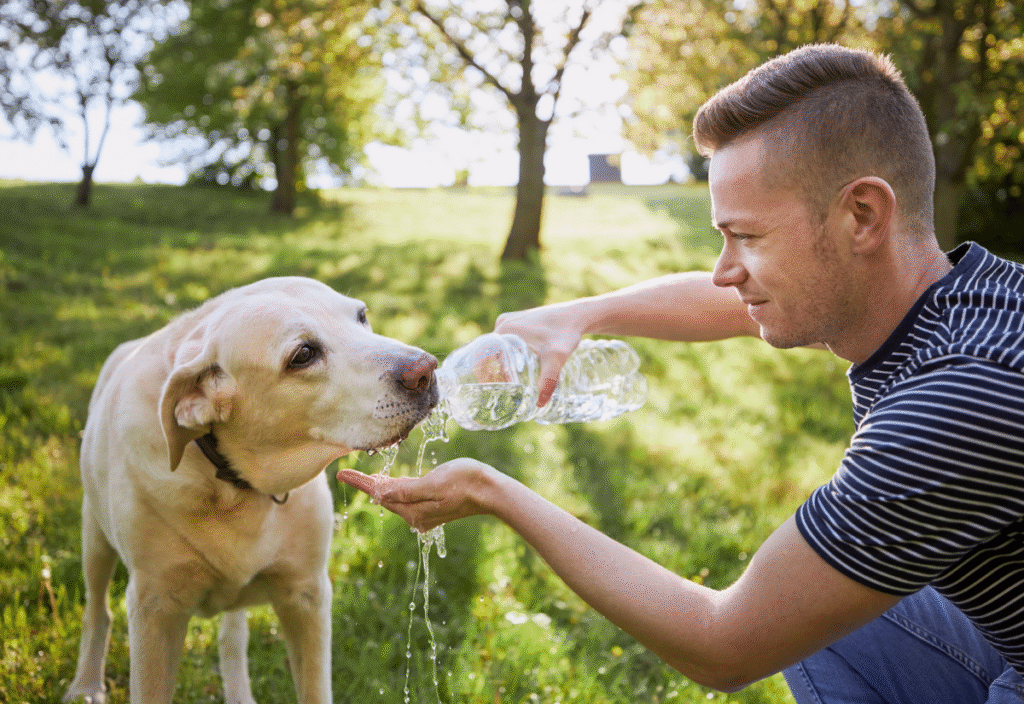
Your senior dog’s hydration directly impacts their quality of life and longevity. By implementing these hydration tips for older dogs who don’t drink enough water, you’re taking an active role in supporting their health and comfort during their senior years. Stay attentive to changes in drinking habits, maintain fresh water stations throughout your home, and work closely with your veterinarian to address any concerns. With patience and the right approach, you can help your aging companion stay properly hydrated and enjoy their golden years to the fullest.
💌 Want more senior dog wellness tips?
Join our email list to get expert guidance, senior dog care checklists, and heartwarming stories delivered to your inbox.