Why Senior Dogs Deserve More Attention (and How to Give It)
As our beloved pups enter their golden years, it becomes increasingly clear that why senior dogs deserve more attention (and how to give it) through thoughtful care, patience, and the right lifestyle adjustments. Older dogs often have changing physical and emotional needs, and giving them the support they deserve can dramatically improve their comfort and happiness. If you’ve ever wondered how to best support your aging companion, understanding their evolving needs is the first step toward providing exceptional senior dog care.

The Unique Needs of Senior Dogs
Senior dogs experience natural aging changes—slower mobility, reduced stamina, vision or hearing loss, and a greater need for veterinary oversight. These shifts don’t mean their quality of life must decline. In fact, with more focused attention, they often thrive during what can be the most rewarding years of your relationship.
Research shows that dogs entering their senior years (typically around age 7-10, depending on breed) require different support than younger adults. Recognizing these changes early allows you to create an environment where your dog can age gracefully and comfortably.
Physical Changes You Should Watch
- Decreased mobility or reluctance to jump or climb stairs
- Joint stiffness, especially in mornings or after extended rest
- Unexplained weight gain or loss
- Increased thirst, urination, or changes in appetite
- Changes in coat condition, texture, or graying
- Cloudy eyes, excessive drooling, or bad breath
Catching these changes early allows you to intervene before discomfort becomes significant. Many of these signs warrant a conversation with your veterinarian to rule out underlying health conditions.
Why Senior Dogs Deserve More Attention: The Emotional Component
Aging dogs rely more heavily on their humans to maintain comfort, emotional stability, and quality of life. They may become more dependent, seek more reassurance, or require a slower pace of daily activities. This stage of life is an opportunity to deepen the bond you share and honor their lifetime of companionship.
Emotionally, older dogs need:
- Predictability and routine — Consistency reduces anxiety and provides security
- Gentle communication — Softer tones and patience as hearing may fade
- Patience as they adapt to physical limitations — Extra time for bathroom breaks or movement
- More rest and quiet time — Senior dogs tire more easily and need uninterrupted sleep
When we give this attention intentionally, senior dogs feel safer and more connected—something they absolutely deserve after a lifetime of loyalty. This emotional support often makes as much difference as any physical adjustment.
How to Give Your Senior Dog the Attention They Need
Schedule Regular Veterinary Checkups
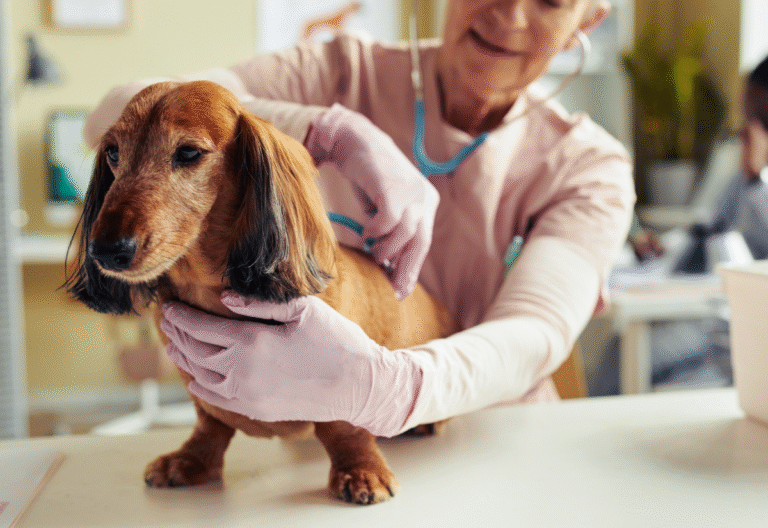
Older dogs benefit from twice-yearly wellness exams, comprehensive bloodwork, and dental checks. Preventive care is crucial, as senior dogs can develop health issues rapidly. Your vet can identify early signs of arthritis, kidney disease, cognitive decline, and other age-related conditions before they significantly impact your dog’s quality of life.
Prioritize Joint and Mobility Support
Small changes can make a substantial difference in your senior dog’s daily comfort:

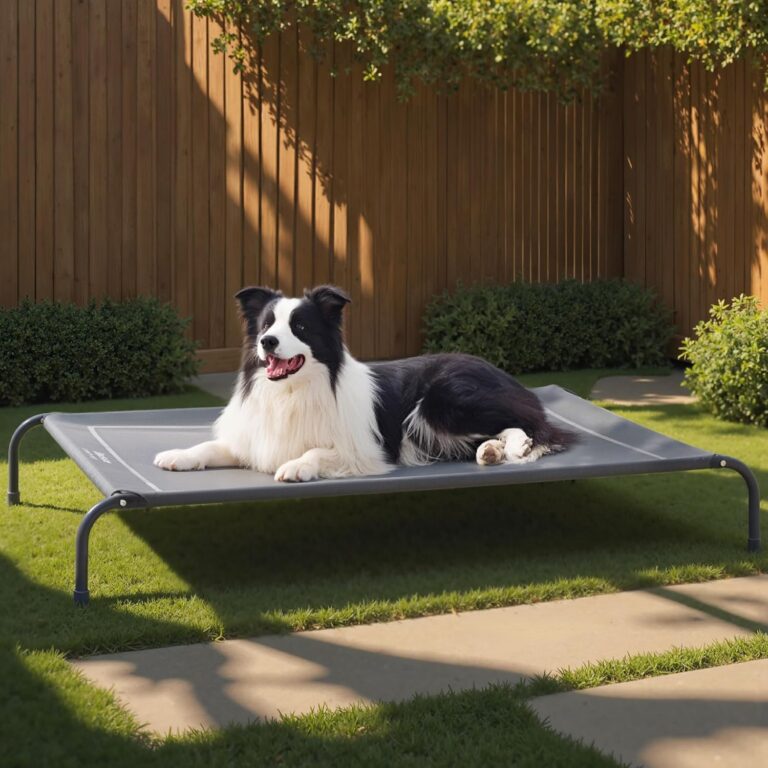
- Orthopedic bedding with memory foam provides joint support and pressure relief
- Carpet runners or non-slip rugs prevent slipping on hardwood or tile floors
- Ramps or pet stairs for beds, vehicles, or furniture reduce strain on joints
- Joint supplements containing glucosamine and chondroitin support cartilage health
- Massage or physical therapy improves circulation and flexibility
Ask your veterinarian about prescription-strength joint supplements or pain management options if your dog shows signs of arthritis.
Create a Comfort-Focused Home Environment
Ensure your dog has warm, easily accessible bedding, multiple water bowls placed in different rooms, and quiet resting spots away from household activity. Temperature control is especially important, as many senior dogs become sensitive to heat or cold. Consider heated dog beds for winter months or cooling pads for summer.
Make sure food and water bowls are elevated slightly to reduce strain on the neck and spine—this is especially helpful for dogs with arthritis. Keep frequently used items (bed, food, water, toys) on the same floor to minimize stair climbing.
Make Movement Easier and Safer
Encourage gentle, low-impact activity tailored to your dog’s abilities. Swimming or hydrotherapy is excellent for senior dogs because it strengthens muscles without stressing joints. Keep walks shorter but more frequent to maintain cardiovascular health and muscle tone without causing overexertion or injury.
Pay attention to weather conditions—avoid hot pavement in summer and provide booties or paw protection in winter. Always allow your senior dog to set the pace.
Keep Their Mind Engaged
Senior dogs benefit from mental enrichment just as much as younger ones. Cognitive stimulation helps maintain brain function and can reduce anxiety or destructive behaviors:

- Puzzle feeders and slow feeders make mealtime mentally engaging
- Scent games and hidden treats encourage natural sniffing behavior
- Slow-paced training sessions keep their mind sharp and strengthen your bond
- Rotating toys maintains novelty and interest
Mental activity is especially important for senior dogs showing signs of cognitive decline, as it may slow progression and improve overall quality of life.
Adjust Their Diet Thoughtfully
Older dogs often need fewer calories but more targeted, nutrient-dense nutrition. Metabolism slows with age, but nutritional needs actually increase in some areas. Discuss with your veterinarian:

- Senior-formulated diets designed with appropriate calorie and protein levels
- Joint-supportive nutrients like glucosamine, chondroitin, and MSM
- Omega-3 fatty acids for cognitive health, joint function, and coat quality
- Digestive enzymes or probiotics to support gut health and nutrient absorption
- Antioxidants to support brain function and overall cellular health
Some senior dogs benefit from softened kibble or wet food if they have dental issues. Feeding smaller, more frequent meals can also aid digestion.
Strengthen Emotional Connection
Your senior dog may crave closeness more than ever. Prioritize quality time together:
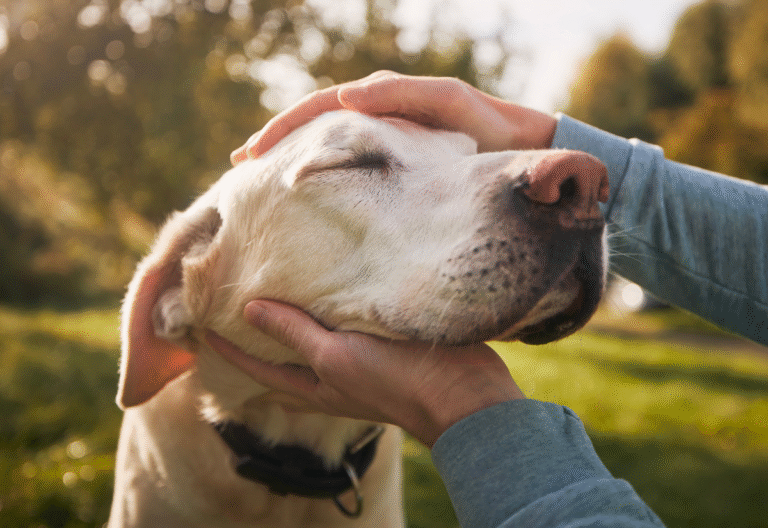
- Increase cuddle time — Physical touch is comforting and reduces stress
- Maintain a stable routine — Predictability provides security and reduces anxiety
- Use soft voices and gentle touch — Respect their physical limitations and sensitivities
- Be present during vulnerable moments — Sit with them, offer reassurance, and provide comfort
Your presence brings reassurance and comfort that truly matters during this chapter of their life. Many seniors become “velcro dogs,” wanting to stay close to their trusted humans—embrace this time.
Helpful Products for Senior Dog Care
While every dog’s needs are unique, these types of products can support your senior dog’s comfort and well-being:

- Orthopedic dog beds with memory foam or gel cooling features
- Pet ramps and stairs for furniture and vehicle access
- Non-slip rugs and runners for traction on slippery floors
- Elevated food and water bowls to reduce neck and spine strain
- Joint supplement treats with glucosamine and chondroitin
- Puzzle feeders and slow feeders for mental enrichment
- Heated or cooling dog pads depending on season
- Dog mobility harnesses to assist with movement and support
- Soft, padded collars and leashes for gentle control
- Washable incontinence pads for bedding protection if needed
Always consult your veterinarian before introducing new supplements or making major dietary changes.
Final Thoughts

Senior dogs have given us years of unconditional love, companionship, and loyalty. Understanding why senior dogs deserve more attention (and how to give it) is one of the most meaningful ways we can honor that bond. Their golden years don’t have to be a decline—with intentional care, patience, and attentive companionship, they can be peaceful, joyful, and deeply fulfilling for both you and your aging friend.
The investment you make in their comfort now will be rewarded with precious time together, knowing you’ve given your senior dog the exceptional care they’ve always deserved. These final chapters are truly golden.
💌 Want more tips on giving your senior dog the happiest life possible? Join our email list for weekly guidance, resources, and heartwarming stories.