The Emotional Needs of Senior Dogs: What They Really Want
Watch your senior dog’s eyes light up when you sit beside them, or notice how they follow you from room to room. These aren’t just habits—they’re your dog telling you something important about what they need most. As dogs enter their golden years, their world changes profoundly, and so do the feelings behind their behaviors. Understanding the emotional needs of senior dogs and what they really want often goes far beyond physical comfort. Older dogs crave predictability, reassurance, companionship, and gentle support that helps them feel safe and connected as they age. This emotional foundation becomes even more crucial as they navigate declining mobility, changing health, and the natural anxieties that come with aging.

Understanding the Emotional Shifts in Older Dogs
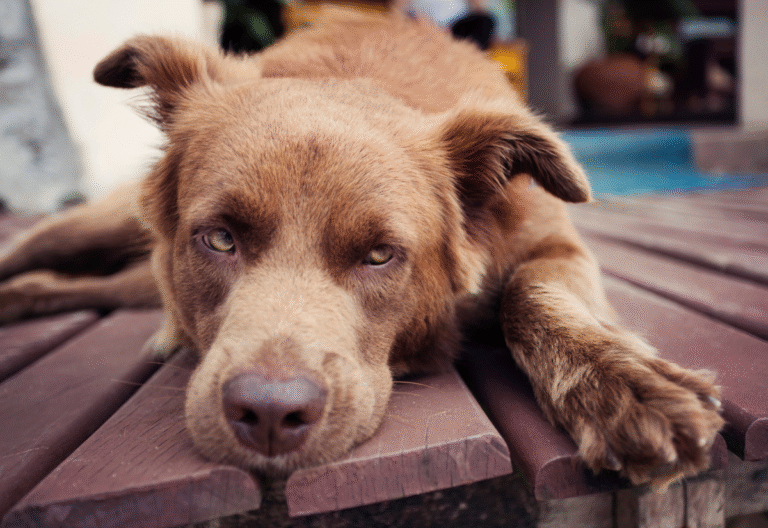
Your senior dog’s personality isn’t disappearing—it’s transforming. Senior dogs experience many subtle emotional changes that owners often miss if they’re not looking closely. They may become more sensitive to loud noises or sudden changes, feel anxious when routines shift even slightly, or rely more heavily on their humans for comfort and reassurance. These aren’t signs of weakness; they’re signs that your dog trusts you to be their anchor.
Cognitive decline, decreased mobility, and sensory loss can all increase a dog’s need for emotional stability and consistent care. A dog who once bounded into the living room might now hesitate at the doorway, worried about falling. That hesitation deserves patience, not frustration. When you understand what’s driving these changes, you can respond with compassion instead of confusion.
Why Senior Dogs Need More Reassurance
Here’s something many dog owners discover too late: a dog’s confidence is fragile in their senior years. Tasks that once felt easy—like jumping on the couch, walking up stairs, or even turning around in a tight space—may become sources of frustration and fear. Your senior dog might suddenly avoid spaces they’ve loved for years, not because they’ve forgotten them, but because they’re afraid of getting hurt.
Offering verbal reassurance, gentle petting, and predictable daily routines can help restore a sense of security. When your dog struggles with a task, your calm voice saying “it’s okay” matters more than you realize. The emotional needs of senior dogs and what they really want includes knowing that their person believes in them, even when their own body is letting them down.
The Importance of Quality Time and Connection
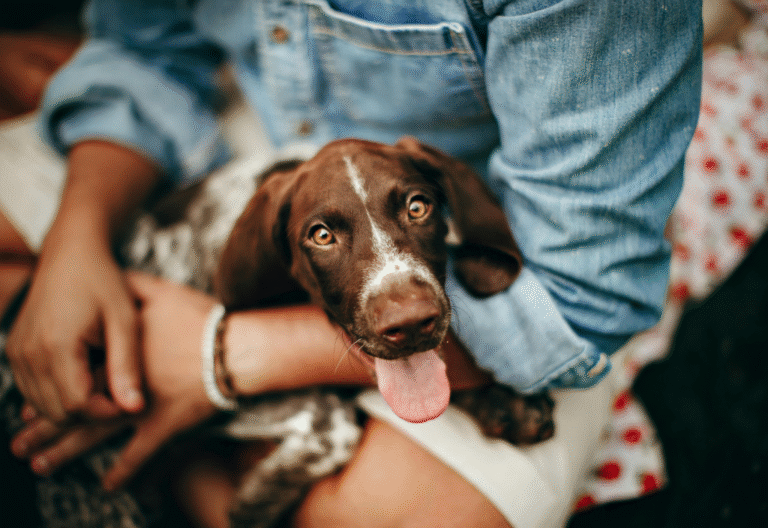
Senior dogs value time with their favorite humans even more than they did in their younger years, and the form that connection takes has evolved too. This doesn’t always mean active play or long walks. Often, they simply want to sit near you, nap beside you on the couch, or enjoy slow, calming interactions where nothing is demanded of them except presence.
These quiet moments are where the deepest bonding happens. Your dog’s breathing slows, your stress lowers, and suddenly you’re both exactly where you need to be. Short “connection moments” throughout the day—a hand on their head while you read, a slow walk around the block, sitting together in the sun—go a long way toward emotional wellbeing. These moments reassure your dog that they still matter, that they’re still loved, and that they haven’t been forgotten just because they’re slowing down.
Creating a Comforting Environment for Emotional Wellbeing
A peaceful, inviting space helps older dogs feel emotionally grounded and safe in their own home. Your living space directly impacts your dog’s anxiety levels and sense of security.
Consider these environmental adjustments:

Soft, Supportive Bedding: Orthopedic dog beds provide both physical comfort and emotional reassurance. Your senior dog knows this spot is theirs—a safe retreat when the world feels overwhelming.

Warm, Gentle Lighting: Harsh overhead lights can increase anxiety. Soft evening lighting or a small night light helps senior dogs navigate safely while creating a calming atmosphere that soothes rather than stimulates.

Easy-to-Access Resting Spots: Elevated dog beds, bed ramps, or ground-level cushions placed in your most-used areas let your dog rest near you without physical strain. Proximity equals emotional comfort for aging dogs.
Familiar Scents: A worn t-shirt with your scent, or their favorite blanket from puppyhood, anchors your dog to what they know and love. Scent is powerfully calming for anxious seniors.
Quiet Spaces: A designated corner away from household hustle provides refuge when stimulation becomes too much. Senior dogs need downtime more than ever.
These environmental adjustments address The Emotional Needs of Senior Dogs: What They Really Want by creating a world that feels predictable, safe, and tailored to their changing abilities.
Managing Age-Related Anxiety and Worry
Age-related anxiety is more common than you might think, and it takes many forms. Some dogs become clingy, following you obsessively from room to room. Others pace restlessly, vocalize more frequently, or startle easily at sounds that never bothered them before. These aren’t behavioral problems—they’re signs your dog is struggling emotionally with aging.
Several tools and techniques can help soothe these worries. Snuffle mats and puzzle feeders engage your dog’s mind in calming ways. Slow, classical music or dog-specific calm music reduces stress measurably. Canine pheromone diffusers (which mimic natural calming scents) create an invisible comfort zone. Gentle massage sessions—even just slow, intentional strokes—release calming endorphins for both you and your dog.
Consider anxiety wraps designed for senior dogs, or consult your veterinarian about supplements that support relaxation. The key is creating layers of comfort that work together, meeting your individual dog’s emotional needs.
Building Trust Through Consistency and Predictability
Here’s something senior dogs teach us through their actions: consistency is love. Senior dogs thrive emotionally when they know exactly what to expect. Consistent feeding times, medication schedules, walking times, and bedtime routines provide the stability that anxious aging dogs desperately need.
When you show up the same way every day—same time, same place, same gentle presence—your dog’s trust deepens in ways that transcend words. They stop worrying about whether you’ll be there because you always are. They stop wondering if they’ll eat because dinner comes at 5 PM, just like always. This predictability is a gift, and it’s one of the most powerful ways you can support your dog’s emotional health.
Strengthening Your Bond in the Golden Years
This stage of life offers a new kind of closeness than the energetic years of youth. The bond you build now isn’t about adventure or excitement—it’s about presence, patience, and genuine understanding. Your senior dog is showing you what matters most: belonging, safety, and being loved exactly as they are.
Be patient when they move slowly. Offer kindness when they have accidents or forget commands. Listen to your dog’s signals—the way they position themselves near you, the sigh they release when you scratch behind their ears, the trust in their eyes. When you meet their emotional needs consistently, you give them peace and dignity in their final years. And they respond with the same loyalty they’ve always shown you, perhaps even more deeply because they know, somehow, that time is precious.
Final Thoughts

Your senior dog’s emotional needs aren’t luxuries—they’re essential to their quality of life. The love and attention you invest now will be among your most cherished memories with them. Every calm moment you share, every routine you maintain, every reassurance you offer sends the same message: you matter, you’re safe, and you’re loved. These golden years are your final chapter together, and they deserve to be filled with peace, connection, and the quiet joy of simply being together.
💌 Want more guidance on senior dog care? Join our email list for expert tips, emotional support, and weekly insights tailored to aging pets.