Giant Breed Senior Dog Care: Keeping Your Gentle Giant Healthy and Happy
When it comes to giant breed senior dog care, providing the right support becomes crucial as your beloved companion enters their golden years. These magnificent dogs—weighing 100+ pounds—face unique aging challenges that require specialized attention, making effective giant breed senior dog care essential for maintaining their quality of life.
Caring for a giant breed senior dog comes with distinctive challenges that differ significantly from caring for smaller breeds. Their impressive size, shorter lifespan, and specific health vulnerabilities mean that owners must implement targeted strategies to keep these gentle giants comfortable and thriving as they age. Understanding the fundamentals of giant breed senior dog care will help you navigate this important phase of your dog’s life with confidence.
Understanding the Aging Process in Giant Breeds
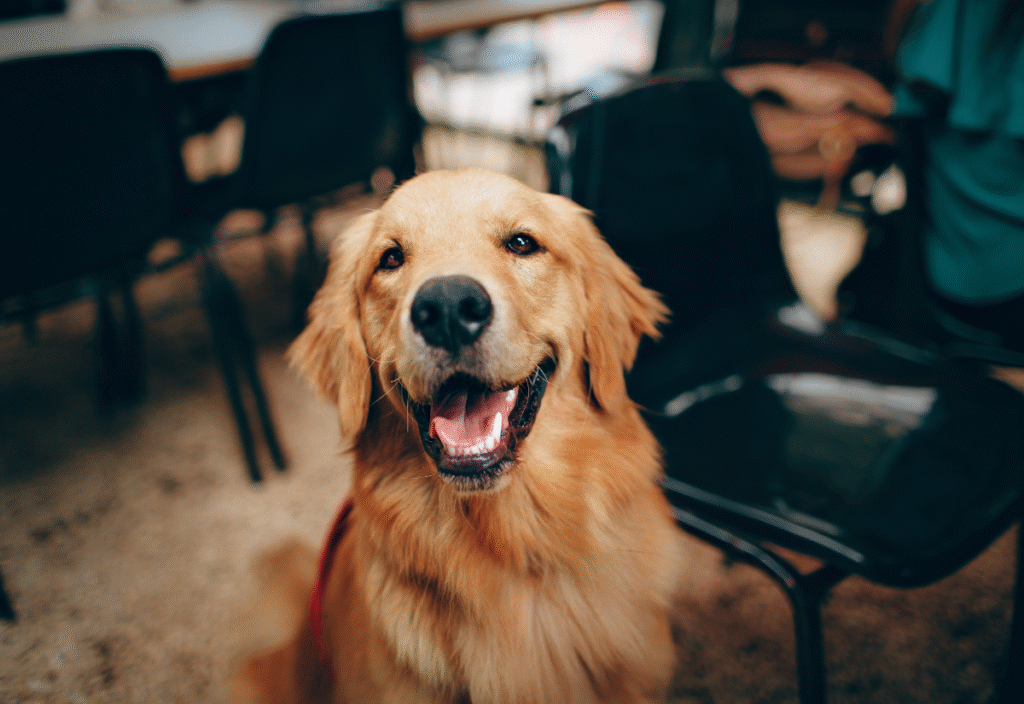
Large and giant breed dogs experience accelerated aging compared to their smaller counterparts. While toy breeds might not show significant aging signs until 10-12 years old, giant breeds like Great Danes, Saint Bernards, Mastiffs, and Irish Wolfhounds typically enter their senior years around 6-7 years of age. This earlier onset of aging makes proactive giant breed senior dog care planning absolutely critical.
The biological reasons behind this accelerated aging include:
- Faster cellular aging due to their size
- Increased metabolic demands throughout their lives
- Greater wear and tear on joints and organs
- Higher risk of age-related diseases
Common Health Concerns in Giant Breed Seniors
Understanding potential health issues helps you recognize warning signs early:
Orthopedic Problems:
- Arthritis and joint stiffness affecting mobility
- Hip and elbow dysplasia causing pain and limping
- Spinal issues including wobbler syndrome
- Ligament injuries, particularly torn ACLs
Cardiovascular Issues:
- Dilated cardiomyopathy (enlarged heart)
- Heart murmurs and arrhythmias
- Reduced exercise tolerance
Other Age-Related Concerns:
- Increased cancer risk, especially bone cancer (osteosarcoma)
- Kidney and liver function decline
- Cognitive dysfunction syndrome (doggie dementia)
- Digestive sensitivities and bloat risk
Early recognition of these conditions allows you to collaborate with your veterinarian to develop a comprehensive care strategy tailored to your dog’s specific needs.
Nutrition Strategies for Giant Breed Senior Dogs
Proper nutrition forms the cornerstone of effective giant breed senior dog care. These large dogs require carefully balanced diets that address their changing metabolic needs while supporting joint health and maintaining optimal body weight.
Essential Nutrition Guidelines
Weight Management is Critical: Extra pounds put tremendous stress on already vulnerable joints and can exacerbate heart conditions common in giant breeds. Even 5-10 pounds overweight can significantly impact mobility and comfort.
Senior-Specific Formula Benefits:
- Lower calorie density to prevent weight gain
- Enhanced joint support ingredients
- Easily digestible proteins for aging digestive systems
- Added antioxidants for immune support
Key Nutritional Components:

- High-quality, lean protein: Maintain muscle mass while reducing kidney burden
- Glucosamine and chondroitin: Support cartilage health and joint function
- Omega-3 fatty acids: Reduce inflammation and support heart and brain health
- Fiber: Promote healthy digestion and help with weight management
- Antioxidants (Vitamins E and C): Support immune function and cellular health
Feeding Best Practices
- Divide daily food into 2-3 smaller meals to reduce bloat risk
- Use elevated feeding bowls to reduce strain on neck and joints
- Monitor portion sizes strictly based on body condition, not just weight
- Consider prescription diets for specific health conditions
- Always transition foods gradually over 7-10 days
Supporting Mobility and Joint Health
Mobility challenges represent one of the most significant aspects of giant breed senior dog care. As these dogs age, maintaining their ability to move comfortably becomes essential for their physical and mental well-being.
Creating a Mobility-Friendly Environment
Comfort Solutions:

- Orthopedic beds: Memory foam or gel-filled beds that contour to your dog’s body, relieving pressure points
- Multiple bed locations: Place comfortable resting spots throughout your home
- Raised food and water bowls: Reduce neck strain during feeding
Safety Modifications:
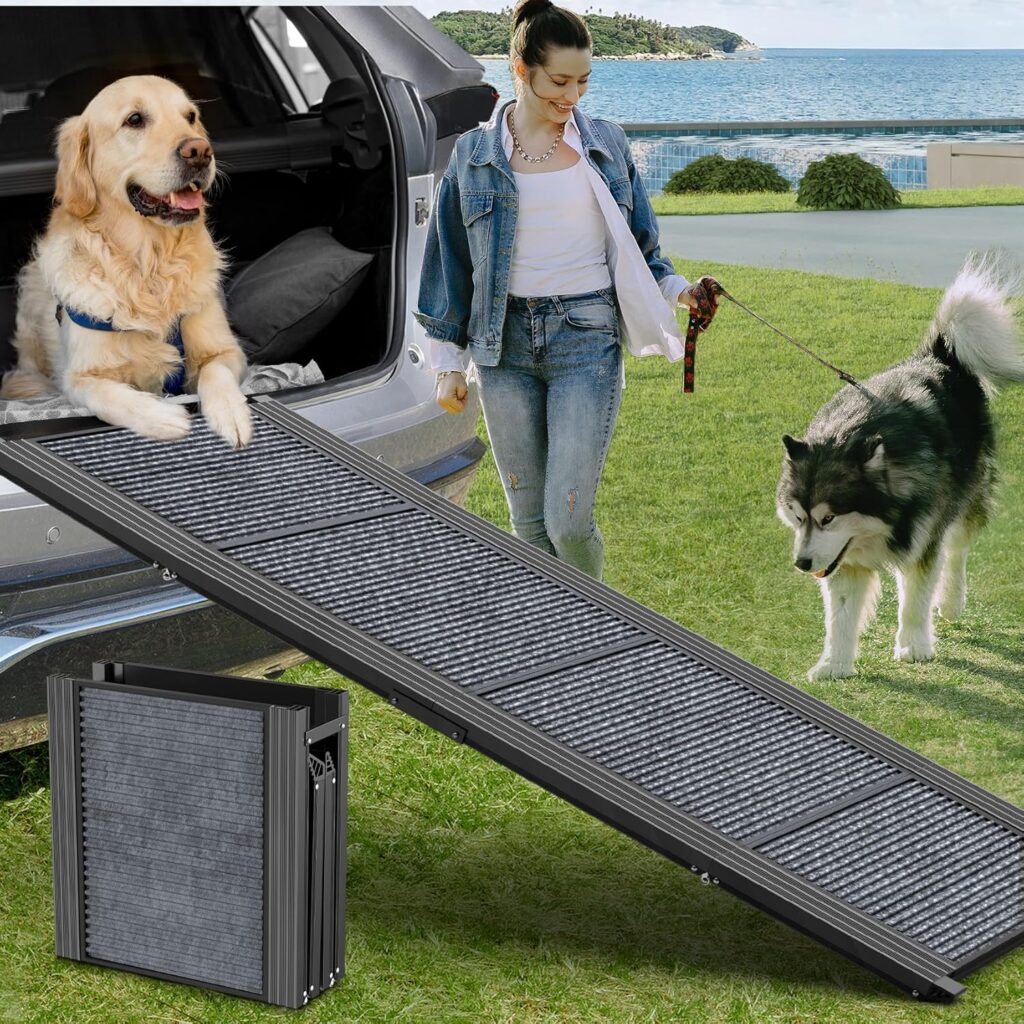
- Ramps and stairs: Essential for accessing cars, porches, or furniture
- Non-slip surfaces: Yoga mats, carpet runners, or specialized grip mats on slippery floors
- Night lights: Help dogs navigate safely in low light conditions
- Gate barriers: Prevent falls down stairs or access to unsafe areas
Exercise Modifications for Senior Giants
While giant breed seniors need less intense exercise, maintaining movement is crucial for joint health and mental stimulation.
Appropriate Exercise Types:
- Swimming: Excellent low-impact exercise that’s easy on joints
- Short, frequent walks: Multiple 10-15 minute walks rather than one long session
- Gentle play: Modified fetch with shorter throws, sniffing games
- Physical therapy exercises: Range of motion exercises recommended by your vet
Exercise Warning Signs: Watch for excessive panting, reluctance to continue, or stiffness after activity, which may indicate the need for exercise modifications.
Comprehensive Veterinary Care
Regular veterinary monitoring becomes increasingly important as giant breeds age. Their tendency to develop serious conditions quickly makes proactive healthcare essential.
Recommended Health Monitoring Schedule
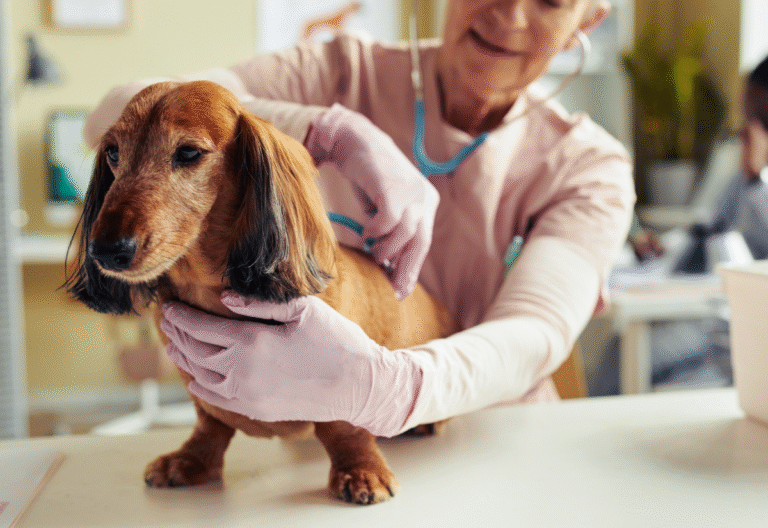
Twice-yearly wellness exams should include:
- Complete physical examination with special attention to joints and heart
- Blood chemistry panels to monitor organ function
- Urinalysis to check kidney health
- Blood pressure monitoring
- Weight and body condition assessment
Diagnostic Screenings:
- Annual cardiac evaluations: ECGs or echocardiograms to monitor heart health
- Cancer screenings: Regular palpation and awareness of lumps or changes
- Joint X-rays: When mobility issues arise
- Eye examinations: Check for cataracts or other age-related changes
Pain Management Strategies
Recognizing and managing pain is crucial for maintaining quality of life. Signs of pain in giant breeds include:
- Reluctance to move or exercise
- Changes in sleeping patterns
- Difficulty rising from lying position
- Decreased appetite or social interaction
- Panting or restlessness without obvious cause
Pain Management Options:
- Prescription anti-inflammatory medications
- Joint supplements and nutraceuticals
- Acupuncture and physical therapy
- Laser therapy treatments
- Weight management programs
Mental Health and Enrichment
Giant breed senior dog care must address cognitive health alongside physical needs. Mental stimulation remains important for preventing cognitive decline and maintaining quality of life.
Cognitive Support Strategies
Mental Enrichment Activities:
- Puzzle feeders: Slow eating while providing mental stimulation
- Scent games: Hide treats or use snuffle mats for natural foraging behavior
- Gentle training: Practice basic commands or learn new, simple tricks
- Social interaction: Maintain positive interactions with family members and friendly dogs
Environmental Consistency:
- Maintain familiar routines to reduce anxiety
- Keep furniture arrangements consistent to help dogs navigate confidently
- Provide comfortable, quiet spaces for rest and retreat
Daily Care Routines for Senior Giants
Establishing supportive daily routines makes giant breed senior dog care more manageable while ensuring your dog’s comfort and well-being.
Morning Routine Considerations
- Allow extra time for your dog to wake up and stretch stiff joints
- Provide easy access to water and food
- Gentle encouragement for morning bathroom breaks
- Light stretching or movement to help with stiffness
Evening Comfort Measures
- Ensure comfortable, easily accessible sleeping areas
- Consider gentle massage for relaxation and circulation
- Maintain consistent bedtime routines
- Check that water is available throughout the night
Weekly Care Tasks
- Grooming: Gentle brushing helps circulation and provides bonding time
- Nail trimming: Keep nails short to improve traction and reduce joint stress
- Ear cleaning: Monitor for infections, especially in dogs with floppy ears
- Dental care: Regular brushing or dental chews to prevent periodontal disease
Recognizing When Additional Support is Needed
Understanding when your giant breed senior needs additional help is crucial for maintaining their dignity and comfort.
Quality of Life Indicators
Positive Signs:
- Interest in food and treats
- Enthusiasm for gentle activities or short walks
- Social interaction with family members
- Comfortable rest and sleep patterns
- Ability to manage bathroom needs
Concerning Changes:
- Loss of interest in food or favorite activities
- Increasing difficulty with mobility
- Changes in bathroom habits or accidents
- Signs of confusion or disorientation
- Chronic pain despite treatment
Final Thoughts: Embracing the Golden Years Together
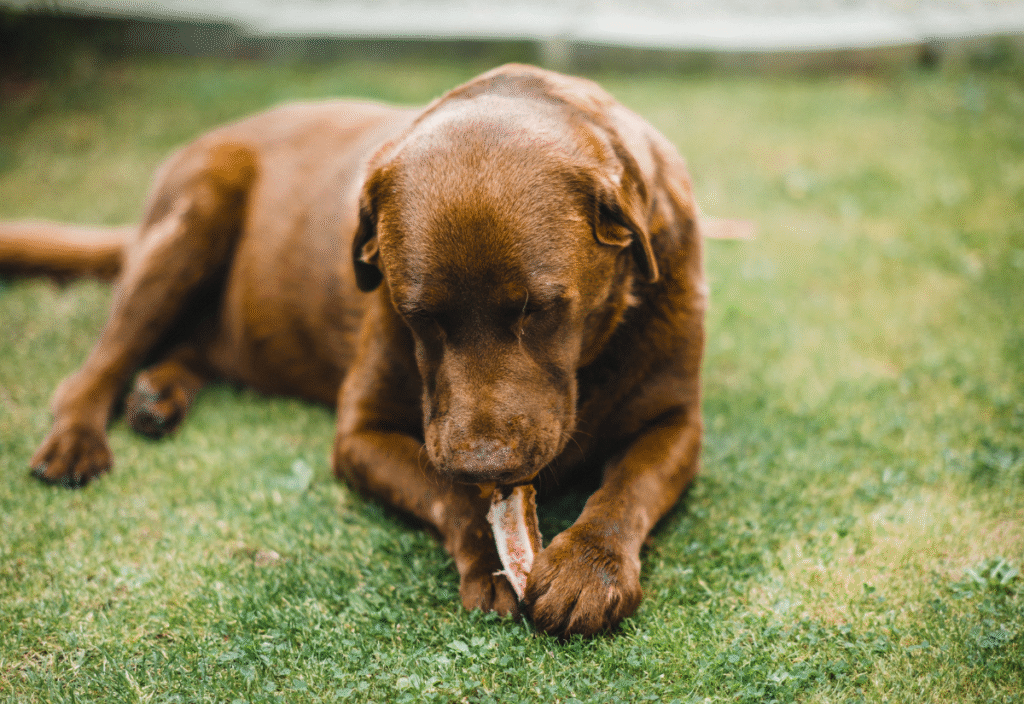
Caring for a giant breed senior dog is both a privilege and a responsibility that requires patience, dedication, and unconditional love. These magnificent companions have likely spent years bringing joy to your family, and now it’s time to return that devotion by ensuring their comfort and happiness in their golden years.
Successful giant breed senior dog care isn’t just about managing health conditions—it’s about celebrating the unique bond you share with your gentle giant while adapting to their changing needs. Every tail wag, every moment of contentment, and every peaceful nap represents the success of your caring efforts.
Remember that each dog ages differently, and what works for one giant breed senior may need adjustment for another. Stay flexible in your approach, maintain open communication with your veterinary team, and never hesitate to advocate for your dog’s comfort and well-being.
The journey of giant breed senior dog care may present challenges, but it also offers profound rewards. By providing thoughtful, comprehensive care tailored to your dog’s specific needs, you’re giving them the greatest gift possible: a comfortable, dignified, and love-filled chapter in their remarkable life story.
Your giant breed companion has given you years of loyalty, protection, and unconditional love. Now, through dedicated senior care, you can ensure they feel that same love and devotion returned to them when they need it most.
📩 Want more helpful tips on senior dog health and comfort? Join our email list!