How Temperature Affects Senior Dogs (and How to Keep Them Comfortable)
As dogs age, even small environmental changes can significantly impact their health and wellbeing. Understanding how temperature affects senior dogs is essential for protecting them throughout the year. Older dogs struggle more with regulating body heat, making them more vulnerable to both heat-related stress and cold-related discomfort. Learning how to manage your senior dog’s comfort in different seasons can extend their quality of life and prevent serious health complications.

Why Senior Dogs Become More Sensitive to Temperature
Aging affects the systems responsible for maintaining steady body temperature. As your dog enters their senior years, their ability to regulate internal heat diminishes significantly. Senior dogs experience reduced muscle mass, which means less natural warmth production. Their metabolism slows considerably, and many develop underlying conditions like arthritis, hypothyroidism, or heart disease that further compromise thermoregulation. Additionally, weakened circulation means blood flow to extremities decreases, making it harder for them to warm up when it’s cold or cool down when it’s hot.
These physiological changes explain why your older companion may seek out warm spots on winter days or prefer lying on cool tile floors during summer months.
Signs Your Older Dog Is Too Cold
Cold sensitivity is extremely common in senior dogs, particularly those with thin coats or minimal body fat. Watch for these warning signs that your dog is struggling with the cold:
- Shivering or trembling, even indoors
- Curling tightly into a ball for extended periods
- Actively seeking out warm spots like sunny windowsills or near heating vents
- Stiff joints, especially noticeable in the morning or after rest periods
- Cold ears, paws, or belly to the touch
- Reluctance to go outside or take walks
- Whining or showing signs of anxiety during cold weather
Even mild chills can worsen arthritis and overall discomfort. If you notice your senior dog exhibiting these behaviors, it’s time to adjust their environment.
Signs Your Older Dog Is Too Hot
Seniors also overheat more easily due to reduced internal cooling abilities. Unlike younger dogs who pant efficiently to regulate temperature, older dogs struggle with this process. Warning signs of heat stress include:
- Excessive panting that seems out of proportion to activity level
- Lethargy and unusual reluctance to move
- Excessive drooling or sticky saliva
- Warm body temperature, especially around the ears and paws
- Weakness, wobbliness, or loss of coordination
- Confusion or disorientation
- Vomiting or diarrhea
Heat stress can become life-threatening quickly, potentially leading to heat stroke. Never ignore these symptoms in a senior dog.
Ideal Temperature Ranges for Senior Dogs
While every dog is different depending on breed, coat type, and health status, most older dogs feel safest and most comfortable when their environment stays within these ranges:
- Indoors: 68–75°F (20–24°C) is the sweet spot for most seniors
- Outdoors during exercise: Cooler temperatures are preferable; avoid activity above 75°F (24°C)
- Sleeping or resting areas: A warm but not hot room (around 70°F/21°C) promotes better rest
If you notice your dog constantly seeking warm bedding in winter or repeatedly lying on cool floors in summer, these are signals to adjust your home’s temperature accordingly. Consider using an indoor thermometer to monitor conditions throughout the day.
How to Keep Your Senior Dog Comfortable in Hot Weather
Provide Cool, Shaded Areas
Create designated cool zones in your home away from direct sunlight, especially during peak afternoon heat (11 a.m. to 4 p.m.). If your dog spends time outdoors, ensure adequate shade from trees or shade structures.
Offer Plenty of Fresh Water
Hydration is essential for thermoregulation and cooling from the inside out. Keep multiple water bowls throughout your home and refresh water frequently throughout the day. Consider adding ice cubes to water bowls for extra cooling benefit.
Use Cooling Products
Cooling mats and cooling beds are specifically designed to absorb and dissipate body heat without requiring electricity. Damp towels can also help reduce core temperature quickly—allow your dog to lie on them or drape them loosely over their body. Cooling vests designed for dogs provide portable temperature relief during outdoor activities.
Shorten Outdoor Time
Choose early morning or evening for walks when temperatures are cooler. Avoid midday outings entirely during peak summer months. Even a 20-minute walk at 85°F (29°C) can cause dangerous heat stress in seniors.
Consider Paw Protection
Hot pavement and sand can burn sensitive senior paw pads. Use booties or paw balm to protect their feet during warm-weather walks.
How to Keep Your Senior Dog Comfortable in Cold Weather
Warm, Supportive Bedding
Orthopedic dog beds with extra cushioning help retain body heat while supporting arthritic joints. Layer beds with soft blankets, and consider placing them in the warmest room of your home, away from drafts and cold air sources.
Use Dog Sweaters or Coats
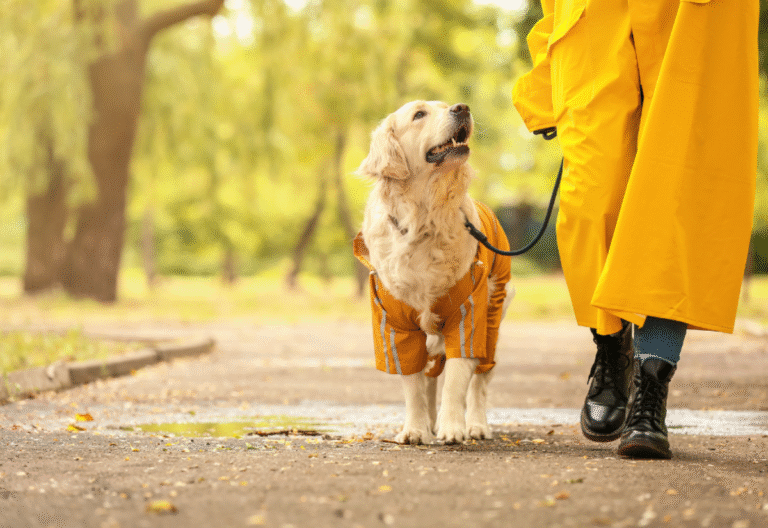
This is especially helpful for thin-coated, low-body-fat, or hairless senior breeds. Look for sweaters made from insulating materials like fleece or wool. Waterproof coats are ideal for wet or snowy conditions. Ensure proper fit so movement isn’t restricted.
Prevent Drafts
Move beds away from windows or exterior doors where cold air can seep in. Use draft stoppers under doors and check window seals for gaps. In older homes, these small adjustments can significantly impact your senior’s comfort.
Gentle Exercise
Short, gentle walks help loosen stiff joints and increase warmth naturally. Even 10-15 minutes of light activity in warmer parts of the day can improve circulation and reduce cold-related stiffness.
Use Raised Feeding Bowls
Elevated feeders reduce strain on the neck and spine, which is especially important for arthritic seniors during cold months when pain is heightened.
Special Considerations for Dogs With Health Conditions
Arthritis
Cold weather can worsen inflammation and stiffness, making movement painful. Maintain consistent indoor temperatures around 72°F (22°C), and discuss joint supplements or medications with your veterinarian. Provide heated beds and ensure frequent short breaks during outdoor time.
Heart Disease
Heat can increase cardiovascular strain, making heat sensitivity more dangerous than in healthy seniors. Keep indoor temperatures moderate (68–70°F/20–21°C) and avoid strenuous activity in warm weather. Monitor for unusual panting or lethargy, which could indicate cardiac distress.
Hypothyroidism
Cold sensitivity is more pronounced in dogs with this condition; maintaining a steady, warm indoor temperature is critical. Discuss appropriate temperature ranges with your veterinarian, as some hypothyroid dogs may need consistently warm environments year-round.
Kidney or Urinary Issues
Temperature extremes can exacerbate dehydration or urinary problems. Ensure constant access to fresh water and keep your dog at moderate temperatures. Avoid prolonged exposure to either extreme heat or cold.
Talk with your veterinarian about the ideal temperature for your dog’s specific health needs, as individual recommendations vary based on diagnosis and severity.
Year-Round Comfort Tips
Consistency is key to keeping senior dogs comfortable regardless of the season. Monitor weather changes daily and adjust your home environment accordingly. Use indoor thermometers to track temperature fluctuations, and check them regularly. Provide temperature-appropriate gear like sweaters for winter and cooling vests for summer. Adjust daily routines seasonally—longer walks during mild weather, shorter walks during extremes. Keep up with grooming to maintain coat health, but avoid shaving double-coated seniors as their undercoat provides natural insulation.
Products to Consider for Senior Dog Comfort
For Cold Weather:

- Orthopedic heating beds with washable covers
- Fleece or wool dog sweaters in multiple sizes
- Waterproof rain/snow coats
- Thermal booties for paw protection
- Heated water bowls to encourage hydration
For Hot Weather:

- Gel-based cooling mats (no electricity required)
- Lightweight cooling vests with reflective trim
- Elevated orthopedic beds with cooling gel layers
- Portable water bowls for outdoor use
- Paw balm for protecting foot pads
Year-Round:

- Digital indoor thermometers
- Raised feeding bowls (reduces joint strain)
- Humidifiers for winter (helps respiratory comfort)
- Quality supplements for joint support
Final Thoughts

Helping your older dog stay comfortable in changing temperatures is one of the simplest yet most meaningful ways to support their quality of life. How temperature affects senior dogs is often overlooked, but the impact on their daily comfort and long-term health is profound. By paying attention to small environmental changes, monitoring your dog’s body language, and making seasonal adjustments to their living space, you ensure they stay safe, happy, and healthy throughout the year. Your senior companion has given you years of love and loyalty—providing temperature comfort is a beautiful way to return that care during their golden years.
💌 Want more tips on senior dog care? Join our email list and get expert advice delivered straight to your inbox.