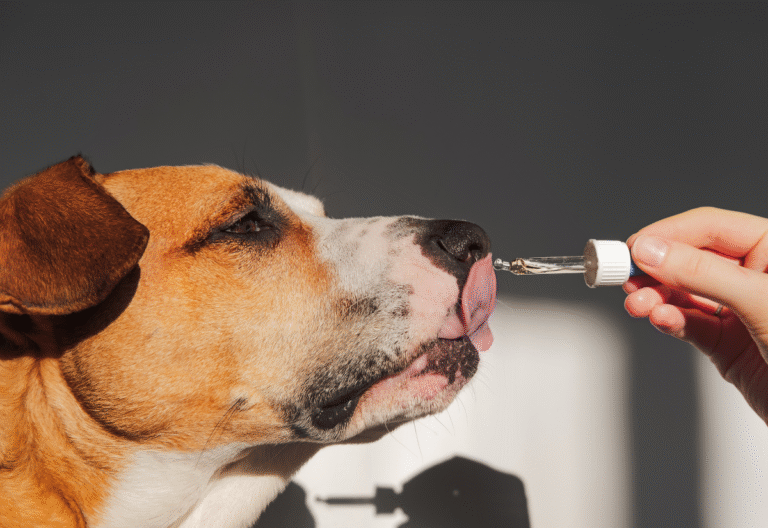
Excessive Panting in Senior Dogs: What It Means and When to Worry
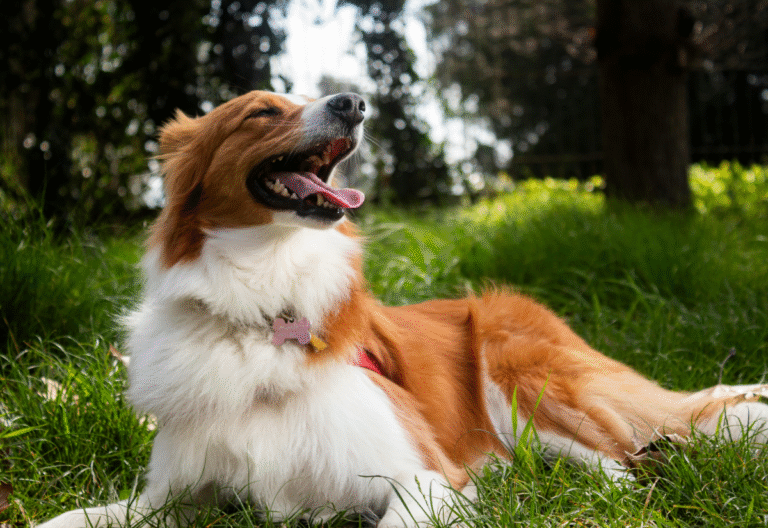
Have you noticed your senior dog panting more than usual? It’s not uncommon for older dogs to breathe a little heavier, especially on warm days or after activity. But excessive panting in senior dogs—especially without an obvious reason—it could be a sign that something more serious is going on.
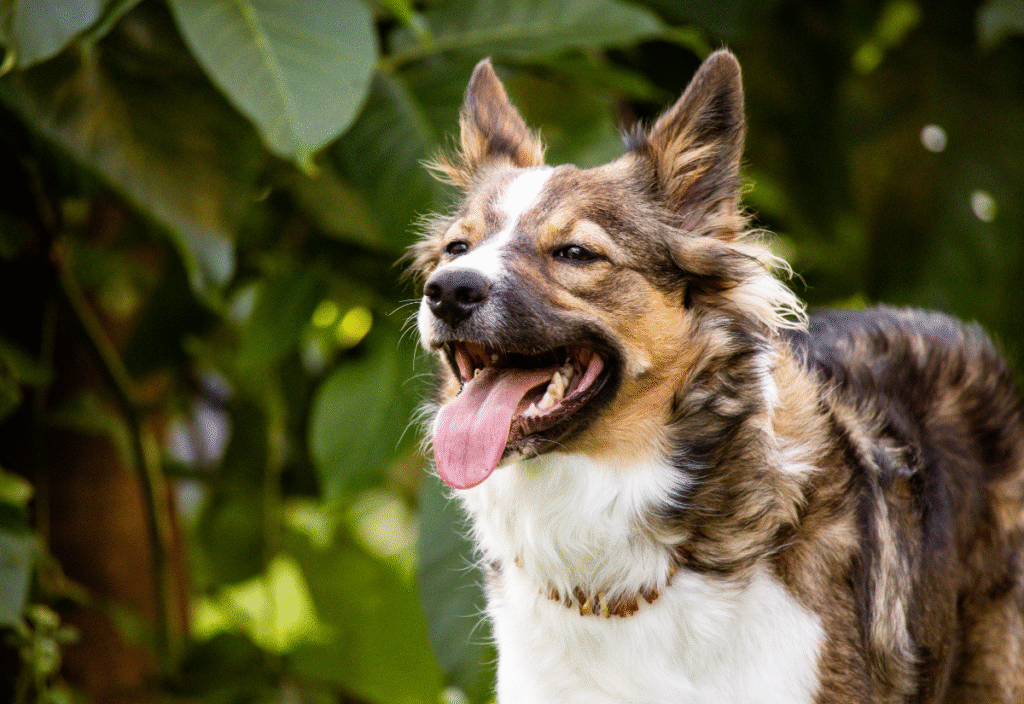
Why Do Older Dogs Pant More?
If your senior dog pants a lot, it might be due to natural aging, but it can also be your dog’s way of telling you something’s wrong. Dogs pant to regulate body temperature, but they also do it when they’re in pain, stressed, or struggling to breathe.
Common Reasons for Excessive Panting in Older Dogs
- Pain or discomfort: Older dogs often hide pain, and panting can be one of the few visible signs.
- Heart disease: When the heart isn’t pumping efficiently, dogs may pant to get more oxygen.
- Respiratory problems: Issues like bronchitis or laryngeal paralysis can affect how easily your dog breathes.
- Cushing’s disease: If your senior dog is panting at night and drinking lots of water, this hormone-related illness could be the culprit.
- Cognitive decline: Nighttime anxiety and confusion can cause increased panting.
- Weight issues: Extra weight makes it harder for dogs to cool down or move comfortably.
Is Nighttime Panting a Red Flag?
It can be. Dogs that pant excessively at night, especially if they’re also drinking more water, may be facing a health issue that requires veterinary attention. Conditions like Cushing’s disease, diabetes, or chronic pain often show up first through changes in nighttime behavior.
What You Can Do to Help Your Dog
While your vet should be your first call if something feels off, there are simple ways to support your dog at home:
- Keep them cool with fans or AC
- Walk them during cooler hours of the day
- Provide a comfy orthopedic bed
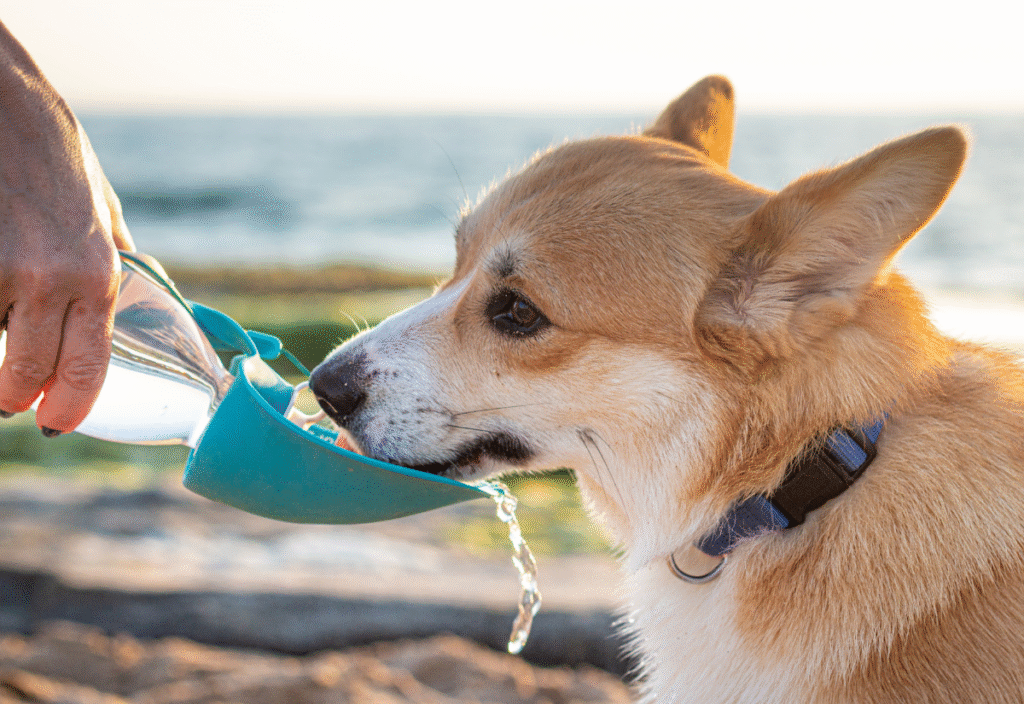
- Offer water
- Stick to a calm, predictable routine
- Track their panting patterns and hydration
When Should You Be Concerned?
Contact your vet if your dog:
- Pants heavily while at rest
- Seems unusually tired or withdrawn
- Has a bloated belly or rapid breathing
- Is panting more frequently at night
- Is drinking significantly more water than usual
These could all point to issues that need medical care.
The Bottom Line
Excessive panting in senior dogs isn’t always cause for alarm—but it’s definitely something to watch. If your dog seems uncomfortable or their behavior has changed, don’t wait. A quick vet check could catch something early and help your dog stay healthy and happy.
Want more helpful tips like this?
Sign up for our email list and get expert guidance, wellness tips, and heartfelt stories delivered to your inbox.