Senior Dog Travel: Flying and Road Trip Considerations
Traveling with your gray-muzzled best friend can create beautiful memories, but it takes more thought than tossing a leash in the car. As our dogs age, their needs change dramatically—what once was a simple car ride might now require careful planning and special accommodations. Understanding senior dog travel: flying and road trip considerations is essential for keeping your older companion safe, comfortable, and stress-free throughout the journey.
Whether you’re heading to a family reunion across the state or flying to a dog-friendly beach resort, the key is preparation. This guide walks you through everything you need to know about senior dog travel: flying and road trip considerations, from pre-trip vet visits to choosing the right travel gear for your aging pup.

Preparing for Senior Dog Travel
Before you book anything or pack a single bag, schedule a thorough checkup with your veterinarian. Senior dogs often have hidden health issues—arthritis that flares with movement, heart conditions that worsen with stress, or anxiety that intensifies in unfamiliar situations. Your vet can assess whether your dog is physically ready for travel and recommend solutions like:
- Anti-nausea medication for motion sickness
- Calming supplements (like CBD oil or L-theanine)
- Pain management for arthritic joints
- Updated vaccinations and health certificates
Essential Travel Kit for Senior Dogs
Pack a dedicated travel bag with these must-haves:
- Medications in original bottles with clear dosing instructions
- Food and water from home (sudden diet changes can upset sensitive stomachs)
- Collapsible silicone bowls for easy feeding on the go
- Orthopedic travel bed or a blanket that smells like home
- Waste bags, pet-safe wipes, and paper towels
- Medical records and vet contact information
- Recent photo of your dog in case of separation
- ID tags with current phone number and microchip information
Recommended Products:

Road Trips with Senior Dogs
For most aging dogs, road trips offer the gentlest travel experience. You control the schedule, the temperature, and how often you stop. There’s no airport chaos, no cargo hold stress—just you, your dog, and the open road.
Making Road Travel Safe and Comfortable
Secure Your Dog Properly
Never let your senior dog ride loose in the vehicle. A sudden stop could cause serious injury. Use a crash-tested harness like the Sleepypod Clickit Sport or a sturdy travel crate secured with straps. For anxious dogs, a crate covered with a light blanket can create a cozy den feeling.
Plan Frequent Breaks
Senior dogs need to stretch their legs and relieve themselves more often than younger pups. Stop every 90 minutes to 2 hours. Let them sniff around, walk slowly on grass, and drink fresh water. These breaks prevent stiffness and reduce anxiety.
Control the Environment
Keep the car at a comfortable temperature—older dogs struggle to regulate body heat. Use sunshades on windows, run the air conditioning, and never, ever leave your dog alone in a parked car, even for “just a minute.”
Support Mobility Challenges
Getting in and out of vehicles becomes harder as dogs age. A portable ramp or steps can be a game-changer for dogs with hip dysplasia or arthritis.
Recommended Products:
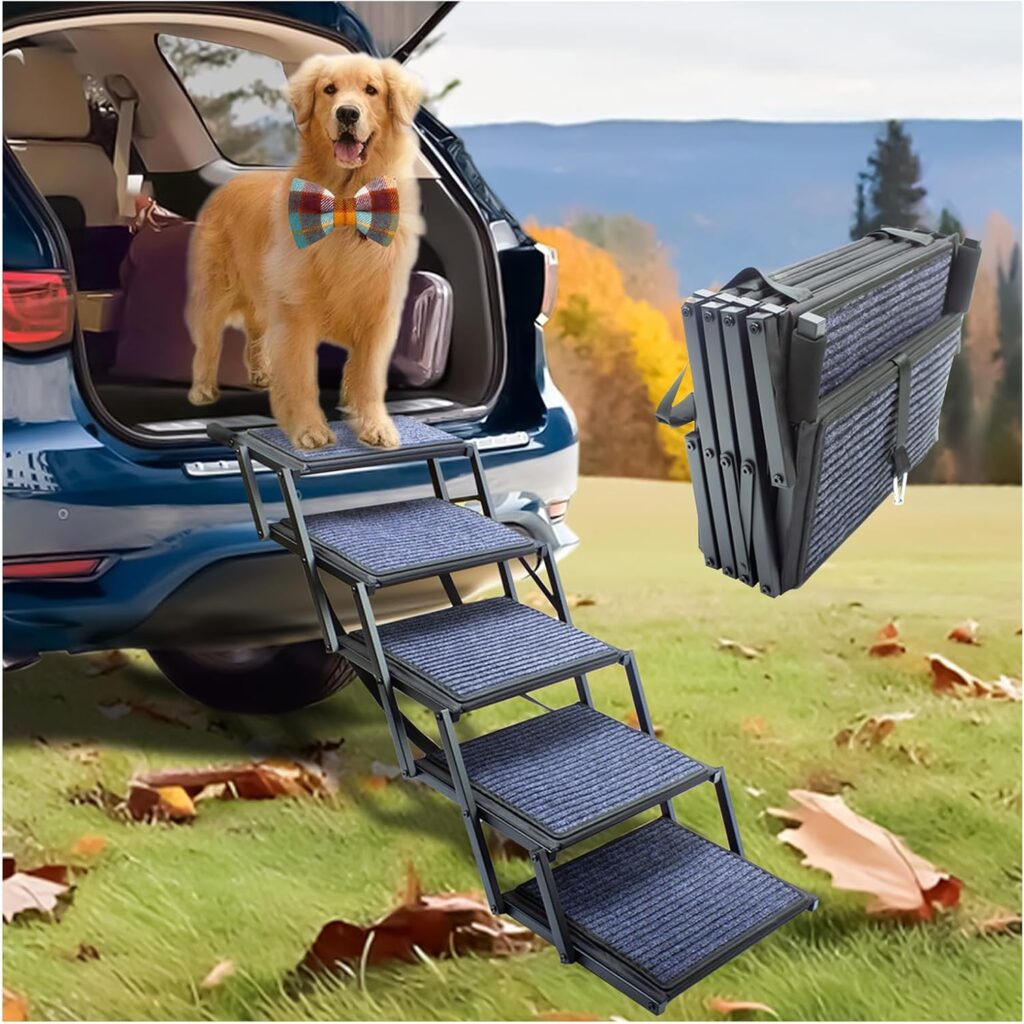
- Folding Dog Ramp
- Crash-Tested Harness
- Backseat Bridge for SUVs (creates flat surface for resting)
- Portable Pet Steps for High Vehicles
Flying with a Senior Dog
Air travel is trickier. The noise, strange smells, air pressure changes, and being separated from you can overwhelm an older dog. Some seniors handle short flights beautifully; others find it traumatic. You know your dog best—trust your instincts.
Key Considerations Before Booking a Flight
Cabin vs. Cargo: The Critical Choice
If your senior dog is small enough (typically under 15-20 pounds depending on the airline), flying in-cabin under your seat is infinitely safer and less stressful. They stay with you, breathe the same air, and feel your presence.
Larger dogs must fly in cargo, which carries real risks: temperature extremes, rough handling, loud machinery, and isolation. For senior dogs with heart conditions, respiratory issues, or severe anxiety, cargo travel could be dangerous.
Check Airline Restrictions
Many airlines have breed restrictions, especially for brachycephalic (flat-faced) dogs like Bulldogs and Pugs, who struggle with breathing in cargo holds. Some airlines also limit flights for senior pets during extreme temperatures. Always call the airline directly—policies change frequently.
Get Medical Clearance
Airlines typically require a health certificate issued within 10 days of travel. Your vet will examine your dog and certify they’re fit to fly. Be honest about any health concerns—your vet might recommend against flying if risks are too high.
Manage Anxiety Without Sedation
Veterinarians strongly advise against sedating dogs for air travel. Sedation can interfere with balance and breathing at altitude, creating dangerous situations. Instead, try:
- Adaptil (DAP) pheromone spray on bedding
- Thundershirt or other anxiety wraps
- Natural calming treats with chamomile or melatonin
- Familiar-smelling blanket in their carrier
Recommended Products:
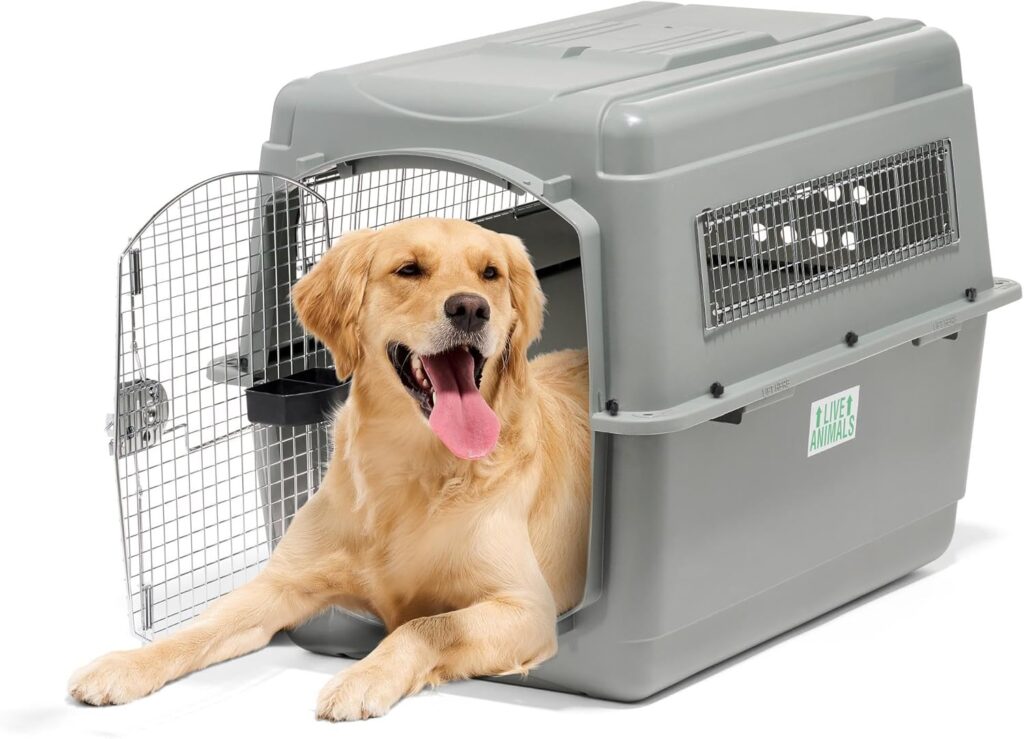
- Airline-Approved Pet Carrier (for in-cabin travel)
- Dog Kennel (IATA-approved for cargo, if necessary)
- Calming Spray
- Calming Chews with Hemp and Melatonin
Direct Flights Only
Book nonstop flights whenever possible. Layovers increase the risk of mishandling, temperature exposure, and stress. Early morning or late evening flights often have calmer airports and milder temperatures.
Universal Comfort and Safety Tips
Regardless of whether you’re driving or flying, these strategies help senior dogs cope with travel stress:
Stick to Routines
Feed your dog at their normal times using their regular food. Maintain consistent potty schedules as much as possible. Familiarity reduces anxiety.
Hydration Matters More Than You Think
Older dogs dehydrate faster. Offer water frequently, but don’t force them to drink excessively right before travel (to avoid emergency bathroom situations). Ice cubes can be a fun way to keep them hydrated without overloading their bladder.
Bring Comfort Items
That ratty old toy they’ve had for years? Bring it. The blanket from their bed? Essential. These items carry the scent of home and provide psychological comfort.
Watch for Warning Signs
Senior dogs may not obviously show distress. Watch for: excessive panting, drooling, whining, pacing, trembling, refusing food or water, or seeming “checked out.” If you notice these signs, your dog needs a break or calming intervention.
Recommended Products:

- Dog Bowl (durable for travel)
- Travel Water Bowl
- Stuffable Dog Toy
When Leaving Your Dog Home Is the Better Choice
Here’s something many pet parents don’t want to hear, but sometimes need to: not every trip is right for a senior dog. If your travel involves multiple long flights, extreme heat or cold, unfamiliar and stressful environments, or limited access to veterinary care, it might be kinder to arrange care at home.
Quality alternatives include:
- Trusted in-home pet sitters who stay at your house (familiar environment, less stress)
- Family members or friends your dog already knows and loves
- Specialized senior dog boarding facilities with experienced staff and veterinary oversight
- Doggy daycares that offer overnight senior care with extra monitoring
Your dog won’t feel abandoned—they’ll feel comfortable. And you’ll travel with peace of mind knowing they’re safe.
Final Thoughts

Making thoughtful decisions about senior dog travel: flying and road trip considerations comes down to one thing: putting your dog’s wellbeing first. Every senior dog is different—some thirteen-year-olds bounce around like puppies, while some eight-year-olds struggle with mobility and anxiety. You know your companion better than anyone.
Take your time planning. Prepare thoroughly. Listen to your veterinarian’s advice. And most importantly, watch your dog’s signals throughout the journey. Sometimes the most loving adventure is a quiet staycation at home. Other times, with the right preparation and gear, your senior dog can absolutely join you for one more incredible trip together.
The golden years with your dog are precious. Whether you’re hitting the road or taking to the skies, making informed choices ensures these adventures are safe, comfortable, and filled with tail wags instead of stress. Because at the end of the day, wherever you go together is the right place—as long as your faithful friend is happy, healthy, and by your side.
💌 Want more tips for keeping your senior dog healthy, happy, and safe? Join our email list!